Tired of endless chopping, dicing, and slicing taking up precious time in your kitchen? Imagine a world where perfectly uniform vegetables appear with minimal effort, making meal prep a breeze. That world is made possible by the humble yet mighty Vegetable Food Chopper, a kitchen essential that is transforming how home cooks approach healthy eating and culinary creativity. This versatile tool is designed to save you time, reduce effort, and deliver consistent results, making it an indispensable gadget for anyone looking to streamline their cooking process.
What is a Vegetable Chopper and Why Do You Need One?
At its core, a vegetable food chopper is a kitchen appliance, either manual or electric, specifically engineered to cut vegetables and sometimes fruits, nuts, or herbs into uniform pieces. It typically features sharp blades and a mechanism to push or pull ingredients through them, collecting the chopped items in an attached container.
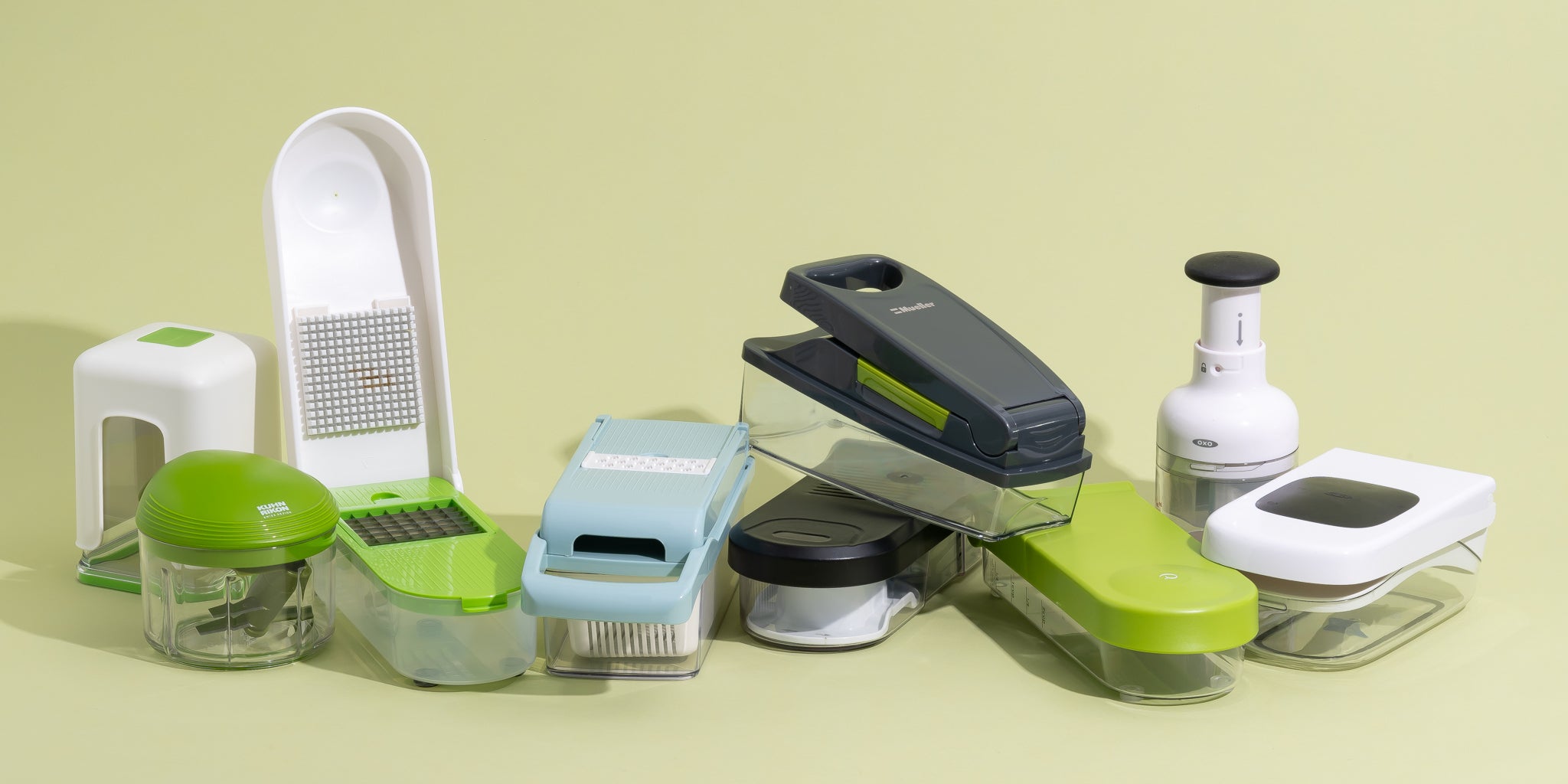
So, why exactly do you need one? Beyond the obvious benefit of saving time, a high-quality vegetable food chopper brings consistency to your cooking. Uniformly chopped vegetables cook evenly, leading to better flavors and textures in your dishes. It significantly reduces manual labor, making tedious tasks like dicing onions (and the associated tears!) or finely mincing garlic quick and virtually effortless. This efficiency encourages healthier eating by making fresh produce prep less daunting, ultimately inspiring more home-cooked meals and culinary experimentation.
Popular Types of Vegetable Choppers on the Market
The market for vegetable food choppers is diverse, offering a range of options to suit different needs and preferences. Understanding the popular types can help you choose the best fit for your kitchen.
Manual Vegetable Choppers
These are often the most common and budget-friendly. They come in various forms:
- Push-Down Choppers: You place food on a blade grid and press down a lid or plunger, forcing the food through. Many of these feature interchangeable blades for dicing, slicing, and even grating. They are simple to operate, don’t require electricity, and are generally compact for easy storage.
- Pull-Cord Choppers: These typically have rotating blades within a bowl. You pull a cord, which spins the blades, chopping the food inside. They’re great for smaller quantities and creating finely minced ingredients like garlic or herbs.
Electric Vegetable Choppers
For those who prioritize speed and minimal effort, electric choppers are a fantastic choice. These are essentially mini food processors, often with a simple pulse function. They are excellent for larger batches, tougher vegetables, and can handle a wider range of tasks, including pureeing or grinding. Their powerful motors ensure quick and consistent results with just the press of a button.
Multi-Functional Choppers with Mandoline Slicer Combos
Many modern vegetable food choppers go beyond basic chopping, integrating mandoline slicer attachments, julienne blades, and even spiralizers. These versatile gadgets essentially combine several kitchen tools into one compact unit, offering unparalleled flexibility for various cuts and preparations. They often come with large collection containers and protective handguards for safety.
Key Features to Consider When Buying a Vegetable Chopper
Choosing the right vegetable food chopper can feel overwhelming with so many options available. Focus on these key features to make an informed decision:
- Blade Material and Versatility: Look for sharp, durable stainless steel blades. A good chopper should offer multiple interchangeable blades for dicing, slicing, grating, and perhaps even julienning or spiralizing. The more options, the more versatile your tool will be.
- Capacity: Consider the size of the collection container. A 4-cup or 5-cup capacity is common and suitable for most home cooking needs, especially if you’re prepping for family meals or batch cooking.
- Ease of Cleaning: This is a huge factor. Many choppers feature detachable parts that are dishwasher safe, making cleanup a breeze. Always check which components are safe for the dishwasher and which require hand washing (e.g., electric motors or specific lids).
- Safety Features: Given the sharp blades, safety is paramount. Look for non-slip bases that keep the chopper stable on your counter, secure locking lids to prevent spills, and handguards or plungers that keep your fingers away from the blades.
- Durability and Build Quality: A sturdy construction using BPA-free, food-grade plastic and robust stainless steel ensures longevity. Avoid flimsy plastic models that might chip or break with repeated use.
- Storage: If kitchen space is a premium, opt for a compact design. Some choppers feature plungers that lock down for flatter storage, while others have cleverly designed blade storage systems within the unit.
- Power (for Electric Models): For electric choppers, a quiet yet powerful motor (e.g., 200W) is desirable. Good heat dissipation ensures the machine can work efficiently for longer periods without overheating.
How to Use Your Vegetable Chopper Effectively
Mastering your vegetable food chopper isn’t complicated, but a few tips can ensure you get the best results and keep it running smoothly.
- Prep Your Veggies: Before using the chopper, cut larger vegetables into pieces that fit comfortably onto the blade grid or into the chopper’s chamber. For example, quarter an onion or cut a carrot into 2-inch chunks. Don’t try to force oversized items.
- Choose the Right Blade: Select the appropriate blade insert for the desired cut – whether you need a fine dice for salsa, a thicker chop for stew, or slices for a salad.
- Place Food Securely: Position the vegetable firmly on the blade grid, ensuring it’s stable before applying pressure.
- Apply Even Pressure (Manual) or Activate (Electric): For manual choppers, use a firm, even push down on the lid or plunger. Avoid jerky movements. For electric models, simply press the button for a quick pulse or continuous chop.
- Don’t Overfill: Resist the temptation to pack too many vegetables into the chopper at once. Overfilling can lead to uneven cuts, strain the blades, and potentially damage the unit. Work in smaller batches if necessary.
- Safety First: Always use the provided handguard or plunger when working with slicing or grating attachments to protect your fingers from the sharp blades.
Cleaning and Maintenance Tips for Your Vegetable Chopper
Proper cleaning and maintenance are crucial for extending the life of your vegetable food chopper and ensuring hygienic food preparation.
- Disassemble Immediately: Clean your chopper as soon as possible after use to prevent food residue from drying and sticking to the blades and components.
- Rinse Blades Carefully: The blades are incredibly sharp. Use a brush or sponge, rather than your bare hands, to dislodge any stuck food bits under running water.
- Dishwasher Safe Parts: Most plastic components and blade inserts are dishwasher safe. However, always check the manufacturer’s instructions. Remember, electric motors and some specific lids are often NOT dishwasher safe and should be wiped clean with a damp cloth.
- Hand Wash Delicate Parts: If any parts are not dishwasher safe, hand wash them with warm, soapy water. Pay special attention to crevices where food can get trapped.
- Air Dry Completely: Ensure all parts are thoroughly dry before reassembling or storing to prevent rust on metal blades and inhibit bacterial growth.
- Store Blades Safely: Many choppers come with a dedicated storage caddy for blades. If not, store them in their original packaging or a safe drawer to protect both the blades and your hands.
Outstanding Benefits of Owning a Vegetable Chopper in Your Kitchen
A vegetable food chopper is more than just a convenience; it offers profound benefits that can genuinely enhance your cooking experience:
- Time-Saving Champion: This is arguably the biggest advantage. What used to take minutes of painstaking knife work can now be done in seconds, dramatically cutting down meal prep time. Imagine quickly preparing a large batch of salsa or a week’s worth of stir-fry ingredients.
- Consistent Cuts, Consistent Cooking: Achieving uniform pieces means your vegetables cook evenly, ensuring every bite is perfectly textured and flavored. No more overcooked small pieces and undercooked large ones.
- Reduces Prep Fatigue and “Onion Tears”: Manual chopping can be tiring, especially for large quantities. A chopper minimizes this effort. Moreover, it significantly reduces exposure to irritating vapors from onions, making tear-free chopping a reality.
- Encourages Healthier Eating: When prepping fresh vegetables is quick and easy, you’re far more likely to incorporate them into your diet. A vegetable food chopper removes a major barrier to preparing wholesome, home-cooked meals.
- Unleashes Culinary Creativity: With diverse blade options, you can experiment with various cuts for different dishes – from fine juliennes for garnishes to chunky dice for hearty stews.
- Ideal for All Skill Levels: Whether you’re a seasoned chef or a kitchen novice, a chopper simplifies complex knife skills, making advanced meal prep accessible to everyone.
“A great vegetable food chopper isn’t just a gadget; it’s a game-changer that transforms tedious meal prep into a joyful, efficient culinary experience,” says Chef Elena Rodriguez, a renowned culinary expert and kitchen efficiency consultant.
Common Mistakes to Avoid When Using a Vegetable Chopper
Even with such a straightforward tool, there are common pitfalls that can hinder performance or even damage your vegetable food chopper.
- Overfilling the Container: Trying to chop too much at once is a recipe for disaster. It leads to uneven chopping, puts undue strain on the blades, and can jam the mechanism. Work in smaller, manageable batches.
- Forcing Hard or Large Ingredients: While robust, most choppers have limits. Don’t try to force extremely hard vegetables (like raw sweet potatoes) or overly large pieces through the blades. Pre-cut tough items into smaller, more manageable chunks.
- Neglecting Immediate Cleaning: Allowing food residue to dry on the blades and in crevices makes cleaning significantly harder and can harbor bacteria. Clean your chopper immediately after use.
- Ignoring Safety Features: Always use the handguard with mandoline attachments and ensure lids are securely locked. These features are there to protect you from sharp blades.
- Using the Wrong Blade: Attempting to dice with a slicing blade or vice-versa will yield poor results and could potentially damage the blade or the food. Take a moment to select the correct insert.
- Dishwashing Non-Dishwasher-Safe Parts: Always refer to the manual for cleaning instructions. Placing parts like electric motors or specific lids in the dishwasher can lead to irreparable damage.
Quick Recipes and Creative Meal Ideas with a Vegetable Chopper
Your vegetable food chopper isn’t just for basic dicing; it’s a gateway to quick and creative meal ideas.
- Lightning-Fast Salsas: Whip up fresh pico de gallo, corn salsa, or even a vibrant fruit salsa in minutes. Perfectly diced onions, tomatoes, peppers, and cilantro come together effortlessly.
- Stir-Fry Mastery: Achieve uniform vegetable pieces for your stir-fries, ensuring everything cooks perfectly and absorbs flavors evenly. Think bell peppers, carrots, zucchini, and snap peas.
- Gorgeous Salads: Say goodbye to uneven chunks. Create beautifully diced cucumbers, radishes, carrots, and bell peppers for visually appealing and easy-to-eat salads.
- Soups and Stews in a Snap: Quickly prepare your mirepoix (diced onions, carrots, and celery) for a flavorful base for any soup, stew, or casserole.
- Homemade Hash Browns: Dice potatoes quickly for crispy, homemade hash browns or hearty potato salads.
- Quick Coleslaw: Shred cabbage and carrots in moments for a fresh, homemade coleslaw that beats any store-bought version.
- Gourmet Dips: Elevate your hummus or guacamole with finely minced garlic, onions, and herbs, all thanks to your efficient chopper.
Frequently Asked Questions About Vegetable Food Choppers
Are vegetable choppers hard to clean?
Most modern vegetable food choppers are designed for easy cleaning, often featuring detachable, dishwasher-safe parts. However, some specific components like electric motors or specialized lids usually require hand washing.
Can I chop nuts in a vegetable chopper?
Many manual and electric vegetable food choppers can handle nuts, especially pull-cord models or electric choppers with pulse functions. However, check your specific model’s instructions to ensure it’s suitable for harder items.
What’s the difference between a manual and electric vegetable chopper?
A manual vegetable food chopper requires physical effort (pushing or pulling a cord) and doesn’t use electricity, making it portable. An electric chopper uses a motor to do the work, offering faster results and less effort, especially for larger quantities or tougher ingredients.
How do I sharpen vegetable chopper blades?
Typically, vegetable food chopper blades are not designed to be sharpened by the user. If they become dull, the entire blade insert usually needs to be replaced. Check with the manufacturer for replacement blade options.
Are all parts of a vegetable chopper dishwasher safe?
No, not all parts are universally dishwasher safe. While most plastic bodies and blade inserts are, sensitive components like electric motors, certain spring mechanisms, or specific lid parts may require hand washing to prevent damage. Always consult your product manual.
Is a vegetable chopper worth the investment?
Absolutely! For anyone who regularly cooks with fresh produce, a vegetable food chopper is a worthwhile investment. It saves significant time and effort, ensures consistent results, and can encourage healthier eating habits by making meal prep less daunting.
What vegetables can I chop?
A good vegetable food chopper can handle a wide array of vegetables, including onions, bell peppers, carrots, celery, zucchini, cucumbers, potatoes, tomatoes, and even garlic and herbs. For very hard vegetables, it’s often best to pre-cut them into smaller, more manageable pieces.
Conclusion
The vegetable food chopper is far more than just another kitchen gadget; it’s a powerful ally in the pursuit of efficiency, consistency, and culinary joy. By transforming the tedious chore of chopping into a quick and easy task, it empowers home cooks to embrace healthier eating, experiment with new recipes, and reclaim valuable time. From effortlessly dicing onions without tears to preparing vibrant stir-fries in minutes, the benefits of this remarkable tool are undeniable. If you haven’t yet experienced the magic of a vegetable food chopper, it’s time to invite this game-changer into your kitchen and discover a whole new world of culinary possibilities. We invite you to explore the options and find the perfect chopper to revolutionize your meal prep and share your own experiences with the Review OV community!