Tired of endless chopping and uneven slices ruining your culinary masterpieces? If you’re looking to elevate your kitchen game, a Vegetable Chopper Mandoline might just be the secret weapon you’ve been missing. This versatile kitchen tool is a true game-changer, transforming tedious prep work into a swift and satisfying experience, helping you achieve perfect, consistent cuts every single time. It’s more than just a gadget; it’s an invitation to a more efficient and enjoyable cooking journey.
What is a Vegetable Chopper Mandoline and Why Do You Need One?
At its core, a vegetable chopper mandoline is a manual slicing and dicing device designed to bring precision and speed to your kitchen. Think of it as the ultimate upgrade from your traditional knife and cutting board, combining the razor-sharp efficiency of a mandoline slicer with the multi-functionality of a vegetable chopper. It’s engineered to make quick work of everything from delicate cucumber ribbons to uniform potato cubes.
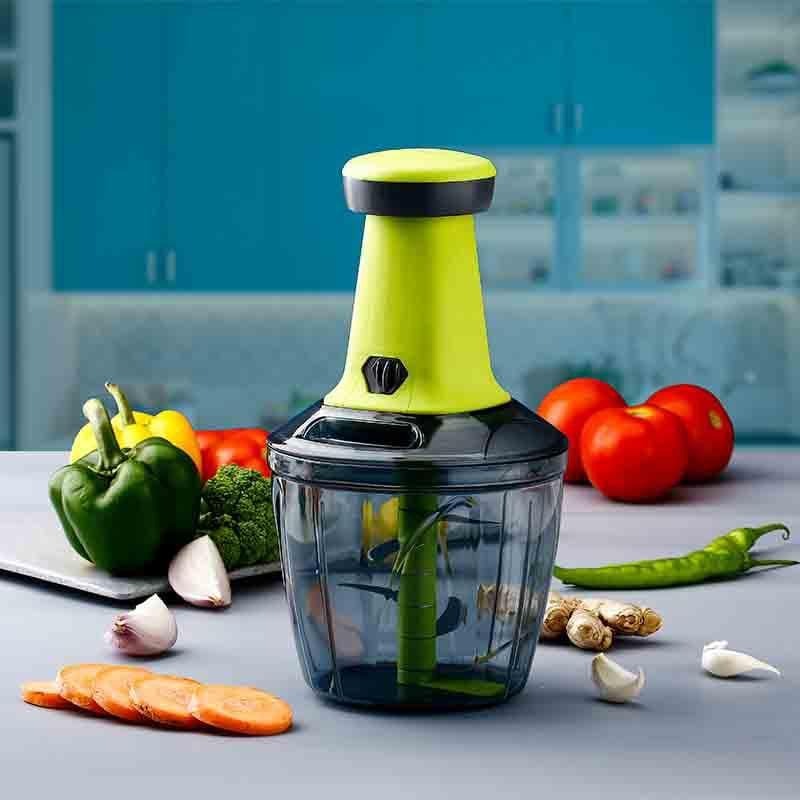
Why do you need one? Simple: time and consistency. A mandoline vegetable chopper dramatically cuts down on food preparation time, often by as much as 70%. Imagine effortlessly slicing onions without tearing up or creating perfectly julienned carrots in seconds. Beyond speed, it ensures every piece of food is uniformly sized, which is crucial for even cooking and professional-looking presentation. Plus, modern designs incorporate robust safety features, making it a safer alternative to freehand knife work for many tasks.
Popular Types of Vegetable Chopper Mandolines on the Market
The world of vegetable chopper mandolines offers a variety of designs, each with unique advantages. Understanding these differences can help you pick the perfect one for your cooking style.
- Hand-held Mandoline Slicers: These are compact and typically feature a single, adjustable blade. They are excellent for quick tasks like slicing a few cucumbers or radishes directly over a bowl. They are usually more budget-friendly and easier to store.
- Tabletop or Stand-Alone Mandolines: These larger units come with folding legs and a stable base, allowing them to rest securely on your countertop. They often offer a wider range of thickness settings and multiple interchangeable blades for various cuts, including straight, wavy, crinkle, and julienne. Brands like OXO and Benriner are well-regarded in this category.
- Multi-function Vegetable Choppers with Mandoline Attachments: These comprehensive systems often include various chopping grids, dicing blades, and mandoline inserts. They are designed for maximum versatility, allowing you to slice, dice, chop, and even grate. Fullstar and Dash Safe Slice offer popular combo units that aim to be an all-in-one prep solution. Some even include a collection tray, making cleanup even easier.
Whether you’re looking for simplicity or maximum versatility, there’s a vegetable chopper mandoline designed to meet your specific needs.
Key Features to Consider When Buying a Vegetable Chopper Mandoline
Choosing the right vegetable chopper mandoline can feel overwhelming with so many options available. Here are the crucial features to consider:
- Blade Material and Sharpness: Look for high-quality stainless steel blades. They should be ultra-sharp and resist rusting or dulling. V-blades often perform better on softer produce like tomatoes, while straight blades excel with firmer vegetables.
- Adjustable Thickness Settings: A good mandoline will offer multiple thickness options, allowing you to achieve everything from paper-thin slices to thicker cuts. This is typically controlled by a dial or a lever for seamless transitions.
- Safety Mechanisms: This is paramount. Always prioritize models with robust safety features such as a secure handguard or food pusher, non-slip feet or a sturdy base, and blade covers for safe storage. Some advanced models, like the Dash Safe Slice, are designed to keep your fingers completely away from the blades.
- Ease of Cleaning: Disassembled parts that are easy to rinse and scrub are a huge plus. Some components might be dishwasher safe, but many blades require careful hand-washing.
- Versatility: Consider how many different cuts you need. Do you want to julienne, dice, waffle, or just slice? Multi-function models offer a wider range, but a simpler slicer might be sufficient for basic needs.
- Durability and Build Quality: Opt for sturdy construction, often a combination of food-grade, BPA-free plastic and stainless steel. It needs to withstand consistent use without bending or breaking.
How to Use Your Vegetable Chopper Mandoline Effectively and Safely
Using a vegetable chopper mandoline can be incredibly efficient, but safety is key. Here’s how to use yours effectively and without incident:
Preparation is Paramount: Before you begin, ensure your mandoline is placed on a flat, stable, and non-slip surface, like a cutting board with a damp paper towel underneath, or directly on a clean countertop. If your vegetable is round or uneven, trim a small piece off to create a flat edge. This makes it more stable and easier to grip with the handguard.
Always Use the Handguard: This isn’t optional; it’s critical. The handguard or food pusher is designed to protect your fingers from the extremely sharp blades. Secure your vegetable firmly into the handguard’s prongs.
Master the Motion: Hold the mandoline perpendicular to your body, at a slight slant, and place the vegetable (secured in the handguard) at the top of the blade. Apply firm, even pressure as you slide the food down across the blade, then bring it back up to repeat. Maintain a steady, controlled motion. Never try to force the food through; if it’s struggling, adjust the thickness setting or re-evaluate the food item. For starchy foods like potatoes, a light mist of water on the blade can help it glide.
“As Chef Isabella Rodriguez, a culinary instructor with two decades of experience, often advises, ‘A high-quality vegetable chopper mandoline isn’t just a gadget; it’s an investment in efficiency and culinary artistry. It empowers home cooks to create restaurant-quality dishes with speed and confidence, transforming daunting prep tasks into a joy.'”
Cleaning and Maintenance Tips for Your Vegetable Chopper Mandoline
Proper cleaning and maintenance are essential for extending the life of your vegetable chopper mandoline and ensuring hygienic use.
- Clean Immediately: Don’t let food dry and stick to the blades. Rinse your mandoline components with warm water directly after use to remove most food debris.
- Disassemble Thoroughly: Most mandolines can be taken apart. Carefully remove all detachable blades, handguards, and collection trays.
- Hand-Wash for Best Results: While some plastic parts or even entire units might be dishwasher safe (always check your manual!), hand-washing is generally recommended for blades. Use warm, soapy water and a soft-bristle brush or non-abrasive sponge. Pay extra attention to crevices and hard-to-reach areas. For stubborn bits, straw cleaners or a dedicated cleaning brush (often included) work wonders.
- Exercise Extreme Caution with Blades: The blades are incredibly sharp. When cleaning, wipe against the direction of the sharp edge to avoid cuts. Consider wearing cut-resistant gloves for added protection.
- Rinse and Dry Completely: Rinse all parts thoroughly to remove any soap residue. Air drying is ideal, or use a clean towel, ensuring every component is bone-dry before storage. Storing wet can lead to rust and corrosion, especially on stainless steel blades.
- Store Safely: Store blades in their protective sheaths or in a dedicated container. If your mandoline folds, ensure it’s properly locked for compact and safe storage.
Outstanding Benefits of Owning a Vegetable Chopper Mandoline in Your Kitchen
Beyond the obvious, a high-quality vegetable chopper mandoline brings a cascade of benefits to your kitchen:
- Unmatched Time Efficiency: Imagine preparing a large salad or a batch of fries in minutes instead of struggling with a knife for what feels like an eternity. The speed boost is truly remarkable, allowing you more time to enjoy cooking and less time prepping.
- Professional-Looking Results: Ever wonder how restaurants get those perfectly uniform vegetable slices? A mandoline is often the secret. Your dishes will look more appealing, elevating your home cooking to a gourmet level.
- Encourages Healthier Eating: With vegetables so quick and easy to prepare, you’ll naturally find yourself incorporating more fresh produce into your meals. Think vibrant salads, homemade vegetable chips, and quick stir-fries.
- Reduces Knife Skills Dependency: While knife skills are valuable, a mandoline bypasses the need for extensive practice to achieve precision. It democratizes professional-level slicing for every home cook.
- Incredible Versatility: From paper-thin cucumber slices for elegant appetizers to chunky potato sticks for a hearty stew, a mandoline can handle a vast array of cutting tasks, making it a truly versatile workhorse.
Common Mistakes to Avoid When Using a Vegetable Chopper Mandoline
Even with the best intentions, some common pitfalls can turn your mandoline experience sour. Avoid these mistakes to keep your fingers safe and your food perfectly prepped:
- Not Using the Safety Guard: This is the number one rule. The handguard is there for a reason! Skipping it, even for “just one more slice,” drastically increases your risk of serious injury.
- Applying Excessive Force: If you have to push too hard, something is wrong. The blade might be dull, or the vegetable might be too tough for the current setting. Forcing it can cause the food to slip or the blade to jam, leading to accidents.
- Improper Cleaning: Neglecting to clean immediately or not thoroughly drying can lead to food residue build-up, bacterial growth, and blade corrosion. This affects both hygiene and the tool’s longevity.
- Cutting Unsuitable Foods: While versatile, some foods, like very soft ripe tomatoes (unless using a serrated blade) or extremely small items, might be better handled with a knife or another tool to prevent squishing or slippage.
- Ignoring Dull Blades: A dull blade is more dangerous than a sharp one because it requires more force, increasing the chance of slipping. While most mandoline blades are built to last, ensure they remain sharp for optimal performance and safety.
Quick Recipes and Creative Meal Ideas with a Vegetable Chopper Mandoline
Your vegetable chopper mandoline opens up a world of culinary possibilities, making gourmet-level dishes accessible.
- Elegant Salads: Create stunning salads with paper-thin cucumber, radish, or carrot slices. The uniformity elevates simple ingredients into a feast for the eyes. Think a refreshing cucumber and dill salad or a vibrant shaved Brussels sprouts salad.
- Homemade Chips and Fries: Craving healthier snacks? Easily slice potatoes, sweet potatoes, or even zucchini into perfect chip-thickness for baking or air-frying. You can even create perfect French fries with julienne blades.
- Gourmet Gratins: Achieve restaurant-quality potato or zucchini gratins with uniformly thin slices that cook evenly and layer beautifully.
- Vegetable Noodles and Ribbons: Transform zucchini, carrots, or beets into delicate ribbons for low-carb pasta alternatives or vibrant garnishes. Imagine quick zucchini ravioli or a colorful vegetable stir-fry.
- Speedy Salsas and Slaws: Dice onions, peppers, and tomatoes for pico de gallo in a flash. Shred cabbage and carrots effortlessly for fresh, crisp coleslaw.
- Vegan Bacon Alternatives: Thinly slice carrots or cassava to marinate and bake into crispy, plant-based “bacon” strips.
With your vegetable chopper mandoline, these creative culinary adventures are just a few slides away!
Frequently Asked Questions About Vegetable Chopper Mandolines
Are mandolines hard to clean?
Not typically! Most modern vegetable chopper mandolines are designed for easy disassembly, allowing you to quickly rinse and hand-wash each component with warm, soapy water and a brush. Many even include cleaning tools to reach tight spots.
Can I put my mandoline in the dishwasher?
Some parts, particularly plastic collection bins or certain frames, might be dishwasher safe. However, it’s generally recommended to hand-wash the blades to maintain their sharpness and prevent rust or damage that can occur in a dishwasher’s harsh environment. Always consult your product’s manual.
What’s the difference between a chopper and a mandoline?
A traditional mandoline slicer is primarily for making uniform slices of varying thicknesses, often with options for julienne, waffle, or crinkle cuts. A vegetable chopper typically uses a grid of blades to dice or chop vegetables into cubes or smaller pieces. Many modern devices, often referred to as “vegetable chopper mandolines,” combine both functionalities into one versatile tool.
Is a mandoline slicer worth it for home cooks?
Absolutely! If you frequently prepare fresh vegetables and value precision, speed, and consistent results, a vegetable chopper mandoline is a worthwhile investment. It significantly cuts down on prep time, making healthy eating more accessible and enjoyable, and elevates the presentation of your dishes.
How do I prevent cuts when using a mandoline?
The most important rule is to always use the provided handguard or food pusher. Additionally, consider wearing cut-resistant gloves for an extra layer of protection, ensure your mandoline is on a stable surface, and use even, controlled pressure. Never try to push food through with your bare hands.
Embrace Culinary Precision
A vegetable chopper mandoline isn’t just another kitchen tool; it’s a gateway to culinary precision, efficiency, and safety. By providing perfectly uniform slices and dices with minimal effort, it empowers you to create stunning, delicious meals in a fraction of the time. Whether you’re a seasoned chef or a home cook looking to simplify meal prep, integrating a high-quality vegetable chopper mandoline into your routine will undoubtedly transform your kitchen experience. So go ahead, explore the endless possibilities, and share your beautifully prepped creations with the world!