Stepping into a professional kitchen, whether a bustling restaurant or a high-volume catering operation, immediately reveals the silent powerhouses that keep everything running smoothly. Among them, the Professional Vegetable Chopper stands as an indispensable workhorse, transforming tedious prep work into an art of efficiency. If you’ve ever dreamt of slashing prep times, ensuring perfect, uniform cuts, and boosting your kitchen’s overall productivity, then understanding the nuances of a professional vegetable chopper is your next crucial step. This isn’t just a gadget; it’s a game-changer designed to handle the relentless demands of culinary artistry, making “Review OV” your trusted source for all things chopper-related.
What is a Professional Vegetable Chopper and Why Do You Need One?
A professional vegetable chopper is a specialized kitchen appliance engineered to efficiently chop, slice, and dice significant volumes of various vegetables into uniform pieces, all while maintaining speed and safety. Unlike your standard home food processor, which often purées or bruises ingredients with its high-speed rotating blades, these commercial-grade units are built for precise, consistent cuts, preserving the vegetable’s texture and appearance. They are constructed to withstand the rigors of daily, heavy use in demanding kitchen environments.
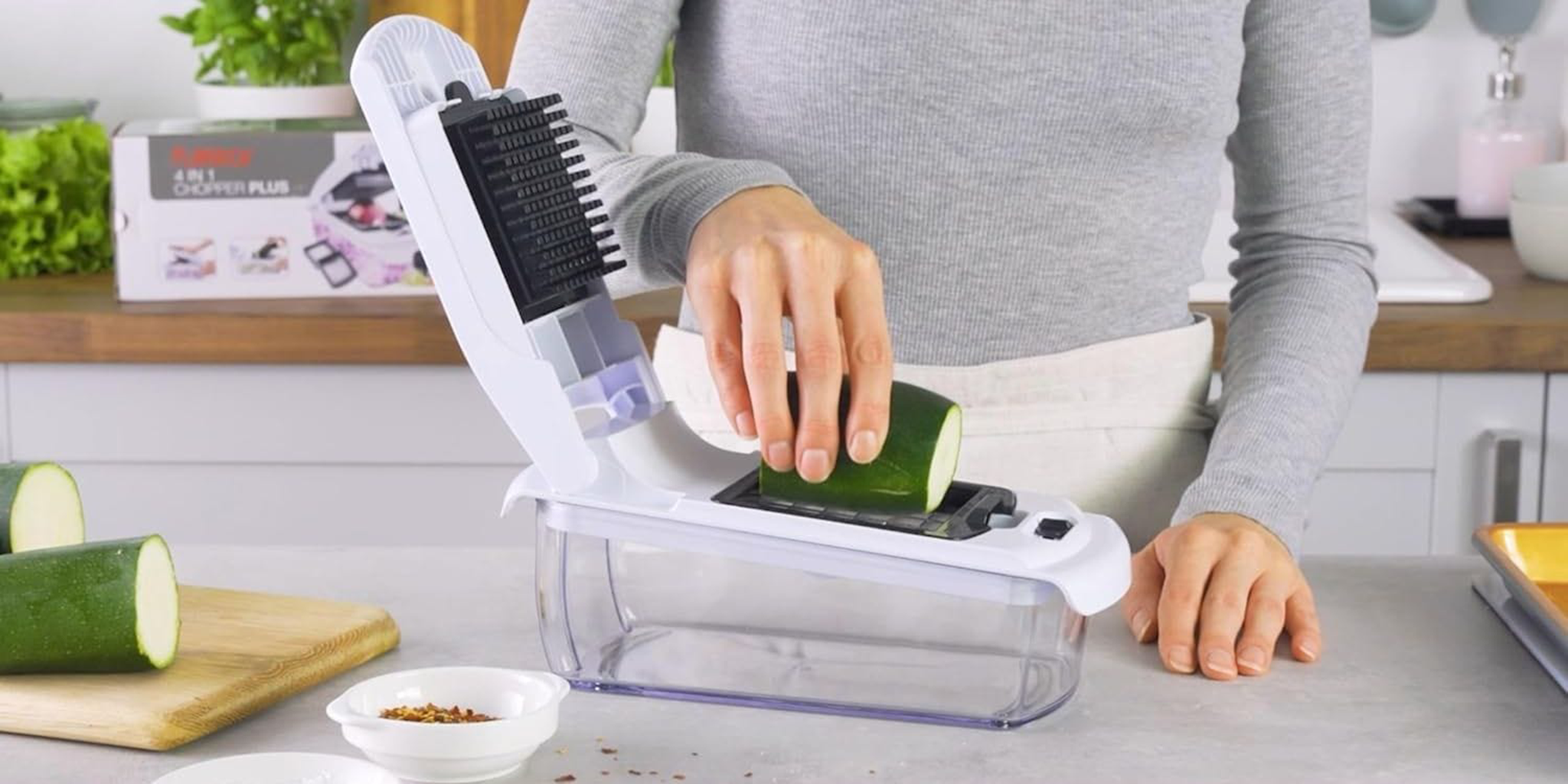
Why do you need one? Simple: time, consistency, and cost-efficiency. In a world where every second counts, these choppers drastically reduce the labor-intensive task of manual chopping, freeing up your culinary team to focus on cooking and presentation. For any kitchen aiming for excellence, consistency in food preparation is paramount, directly impacting both the visual appeal and even cooking of every dish. Investing in a professional vegetable chopper is a strategic move that pays dividends in radical efficiency, optimized labor, and significantly reduced food waste.
Popular Types of Professional Vegetable Choppers on the Market
The market offers a range of professional vegetable choppers, each suited for different kitchen needs and volumes. Understanding the distinctions helps you choose the perfect fit for your operation.
- Manual Lever Choppers: These hand-operated units are straightforward and robust, perfect for smaller operations or specific, consistent tasks like dicing onions or tomatoes. They are cost-effective, require no electricity, and are generally easy to maintain. While they demand more physical effort, they offer reliable, uniform results for manageable volumes. Brands like VEVOR and Nemco offer popular manual options known for their durability and sharp grid blades.
- Electric Vegetable Choppers: Dominating high-volume commercial kitchens, electric models prioritize speed and efficiency. Equipped with powerful motors, they rapidly process large quantities of vegetables, often capable of continuous operation. Professional-grade electric choppers typically include multiple cutting options, adjustable thickness settings, and critical safety features like automatic shutoffs, making them ideal where consistency and speed are non-negotiable.
- Food Processors with Chopping Attachments: While not dedicated choppers, larger commercial food processors can be incredibly versatile. With specialized chopping attachments, they can dice, slice, shred, and purée, offering multiple functions in one machine. Although generally more expensive, their multi-purpose nature can be a boon for kitchens needing broad functionality.
- Specialized Cutters: For niche, high-demand cuts, specialized machines exist, such as table-top French fry strip cutters or banana-chip cutters. These are designed for ultimate precision and speed for very specific ingredients and cuts, like turning whole potatoes into uniform fries in mere seconds.
Key Features to Consider When Buying a Professional Vegetable Chopper
Choosing the right professional vegetable chopper is an investment that requires careful consideration. Here’s what you should look for:
- Cutting Capacity and Speed: Honestly assess your kitchen’s daily and peak vegetable prep requirements. Do you process 20 pounds an hour, or hundreds? Small operations might need a chopper handling 10-20 lbs/hr, while large institutions require 200+ lbs/hr. Match the chopper’s capacity to your actual volume to avoid oversizing or overloading.
- Blade Quality and Durability: This is where performance truly shines. Look for razor-sharp, food-grade stainless steel blades that maintain their edge through heavy use. The availability of easily replaceable or sharpenable blades and various configurations (dicing, slicing, julienne, wedging) adds significant value and longevity.
- Safety Features: In a busy kitchen, safety is paramount. Prioritize choppers with robust safety mechanisms such as blade guards, emergency stop buttons, secure locking mechanisms, and non-slip bases to prevent movement during operation. Magnetic interlocks, which halt the machine if parts are not correctly assembled, are also a crucial consideration.
- Ease of Cleaning and Maintenance: Food safety regulations demand equipment that’s simple to clean and sanitize. Look for models with tool-free disassembly, dishwasher-safe components, and smooth, non-porous surfaces (like stainless steel or heavy-duty cast aluminum) that resist corrosion and facilitate thorough sanitization.
- Versatility: Many professional choppers come with interchangeable blades, allowing you to achieve various cuts and process a wide range of ingredients with a single machine. This adaptability can significantly streamline your prep line.
- Footprint and Ergonomics: Consider the available counter space and the chopper’s stability. A well-designed chopper will have a comfortable handle or lever, a solid base, and a footprint that integrates seamlessly into your kitchen workflow.
- Material Quality: Beyond blades, the overall construction material dictates durability. Stainless steel and robust, BPA-free plastics are preferred for their longevity, hygiene, and ability to withstand commercial environments.
How to Use Your Professional Vegetable Chopper Effectively
Maximizing the potential of your professional vegetable chopper isn’t just about pressing a button; it’s about smart technique and understanding its capabilities.
- Preparation is Key: Always pre-cut larger vegetables into manageable pieces that fit comfortably within the chopper’s chamber or grid. Forcing oversized items can damage blades or strain the mechanism.
- Stable Setup: Ensure the chopper is placed on a stable, non-slip surface before operation. Many commercial units come with non-slip feet or mounting options for enhanced stability.
- Choose the Right Blade: Select the appropriate blade or grid for your desired cut – be it a fine dice for salsa, a thick slice for gratins, or julienne strips for stir-fries.
- Consistent Pressure (Manual): For manual lever choppers, apply consistent, firm pressure in a swift, fluid motion to ensure clean, even cuts.
- Smart Pulsing (Electric): With electric models, follow the manufacturer’s instructions for pulsing or continuous operation. Avoid over-processing, especially when aiming for distinct cuts rather than a purée.
- Batching: For ultimate efficiency, chop similar ingredients together. This minimizes blade changes and streamlines your workflow.
Cleaning and Maintenance Tips for Your Professional Vegetable Chopper
A professional tool demands professional care. Proper cleaning and maintenance are crucial for extending the lifespan of your chopper and upholding rigorous kitchen hygiene standards.
- Daily Disassembly and Wash: Immediately after each use, disassemble all removable parts. Wash them thoroughly with warm, soapy water. Many components of commercial choppers are dishwasher-safe, but always confirm with the manufacturer’s guidelines.
- Sanitize: After washing, sanitize all food-contact surfaces to eliminate bacteria and ensure a hygienic operation.
- Blade Care: Pay special attention to the blades. Use a cleaning brush to safely remove any trapped food particles without touching the sharp edges. Regularly check blade sharpness and alignment; dull blades can lead to inconsistent cuts and increased effort. Sharpen or replace blades as needed.
- Preventive Maintenance: For electric choppers, schedule regular professional maintenance to service the motor and check safety systems. For manual models, weekly lubrication of moving parts and monthly inspection of safety interlocks can prevent wear and tear. Document maintenance activities to track the chopper’s condition.
- Proper Storage: Once clean and dry, store all components securely. Many compact models allow blades to be stored safely within the chopper’s body.
Outstanding Benefits of Owning a Professional Vegetable Chopper in Your Kitchen
The advantages of integrating a professional vegetable chopper into your kitchen are profound, impacting efficiency, quality, and your bottom line.
- Unparalleled Time Savings: This is arguably the most significant benefit. What would take a skilled chef minutes of meticulous knife work can be achieved in seconds with a high-quality professional vegetable chopper. Imagine prepping pounds of onions or peppers in a fraction of the time, dramatically accelerating your mise en place.
- Guaranteed Consistency and Precision: Every professional kitchen strives for uniformity. A chopper ensures every slice, dice, or julienne is identical, which is vital for visually appealing dishes and consistent cooking times. This eliminates human error and elevates the overall presentation of your culinary creations.
- Optimized Labor and Reduced Costs: Manual labor for repetitive chopping tasks can be costly. A single investment in a professional chopper can significantly reduce the need for extensive manual prep, freeing up your staff for more complex culinary duties and directly contributing to lower operational expenses.
- Minimized Food Waste: Inconsistent knife skills can lead to irregular cuts and unusable pieces. The precise action of a chopper maximizes the yield from every vegetable, ensuring less product goes to waste and directly improving your profit margins.
- Enhanced Kitchen Safety: The prep area can be a high-risk zone for knife-related injuries. By automating and simplifying the cutting process, a professional vegetable chopper significantly reduces the risk of cuts and accidents, creating a safer working environment for your team.
- Improved Hygiene Procedures: With less direct handling of ingredients and designs that facilitate easy disassembly and cleaning, professional choppers promote superior sanitation in the kitchen.
- Versatility for Diverse Menus: With interchangeable blades and various cutting styles, a good professional chopper is adaptable to a wide array of recipes and menu items, making it a truly multi-functional asset.
“In my two decades as a culinary consultant for high-volume kitchens, the professional vegetable chopper has consistently proven to be the unsung hero, drastically cutting prep time and ensuring every dish meets our strict consistency standards. It’s not just a tool; it’s a strategic investment in efficiency and quality.” – Chef Eleanor Vance, Culinary Operations Specialist.
Common Mistakes to Avoid When Using a Professional Vegetable Chopper
Even with the best tools, missteps can happen. Be aware of these common mistakes to ensure optimal performance and longevity for your professional vegetable chopper:
- Forcing Overly Large or Hard Items: Attempting to push ingredients that are too large or excessively hard through the blades can damage the chopper, bend blades, or even cause injury. Always pre-cut items to fit the designated chamber.
- Chopping Soft, Mushy Vegetables Directly: Very ripe tomatoes or overly soft mushrooms might get crushed or mashed rather than cleanly diced, leading to undesirable results and extra cleaning. Use a firmer hand or choose specific blade types for softer produce.
- Neglecting Immediate Cleaning: Allowing food residue to dry on blades and components makes cleaning much harder and can harbor bacteria. Clean the chopper immediately after use.
- Ignoring Safety Features: Bypassing blade guards or not securing the unit properly before operation is a dangerous oversight that can lead to serious accidents.
- Over-processing with Electric Models: While speed is a benefit, over-processing can turn perfectly diced vegetables into an unintended purée. Monitor closely and use short pulses for precision.
- Using for Non-Recommended Items: While versatile, choppers aren’t designed for every ingredient. Avoid trying to chop cooked meats (unless specified), fibrous stalks, or extremely dense root vegetables without proper pre-processing.
Quick Recipes and Creative Meal Ideas with a Professional Vegetable Chopper
Unlock a world of culinary possibilities and significantly speed up your prep with a professional vegetable chopper. Here are some quick ideas:
- Gourmet Salads in Minutes: Dice cucumbers, bell peppers (various colors!), red onions, and cherry tomatoes with lightning speed for vibrant, uniformly cut salads. Add some pre-cooked chicken or chickpeas for a complete meal.
- Stir-Fry Masterpiece: Quickly create perfectly uniform matchsticks of carrots, celery, zucchini, and bell peppers. This ensures even cooking and a professional presentation in your wok.
- Restaurant-Quality Salsas and Pico de Gallo: Achieve perfectly diced onions, tomatoes, jalapeños, and cilantro for fresh, zesty salsas that look and taste incredible.
- Hearty Soups and Stews: Prepare consistent vegetable cubes of potatoes, carrots, celery, and root vegetables for a comforting stew or a robust minestrone that cooks evenly.
- Homemade French Fries or Wedges: If your chopper has specialized attachments, you can turn whole potatoes into uniform fries or thick-cut wedges in mere seconds, ready for frying or baking.
- Speedy Coleslaw: Easily shred cabbage and carrots for fresh, crisp coleslaw, a perfect side for any meal.
- Vegetable Hash for Breakfast/Brunch: Dice potatoes, onions, and peppers for a quick and consistent base for a flavorful breakfast hash.
Frequently Asked Questions about Professional Vegetable Choppers
Q1: What materials are professional vegetable choppers typically made from?
A1: Professional vegetable choppers are commonly constructed from durable materials such as food-grade stainless steel, heavy-duty cast aluminum, and robust, BPA-free plastics, designed to withstand intense commercial use and ensure longevity.
Q2: How often should I sharpen or replace the blades on a professional chopper?
A2: The lifespan of blades depends heavily on usage. Stainless steel blades used daily in a professional setting might maintain their edge for 4-6 months before needing sharpening or replacement. High-carbon options often last longer but may require specific oiling maintenance. Regular inspection for sharpness is key.
Q3: Can all parts of a professional vegetable chopper be cleaned in a dishwasher?
A3: Many components of professional vegetable choppers are designed to be dishwasher-safe, particularly removable blades and collection trays. However, always consult the manufacturer’s specific instructions to ensure proper care and avoid damage, especially for motorized units.
Q4: Is an electric or manual chopper better suited for a professional kitchen?
A4: The ideal choice depends on your kitchen’s volume. Electric choppers excel in high-volume environments where speed and continuous operation are crucial. Manual choppers are often preferred for smaller operations, specific tasks, or as cost-effective, portable solutions that don’t require electricity.
Q5: How can I ensure consistent cuts every time with my chopper?
A5: To achieve consistent cuts, always ensure your vegetables are pre-cut to a size that fits easily into the chopper’s grid, use sharp blades, and avoid overloading the chamber. For manual choppers, a firm, consistent press helps, while electric models benefit from controlled pulsing rather than continuous running.
Q6: What is the main difference between a professional vegetable chopper and a standard food processor?
A6: The primary difference lies in their function: a professional vegetable chopper is engineered for uniform, precise cuts like dicing, slicing, and wedging, ideal for preparing ingredients while maintaining their texture. A food processor, conversely, uses high-speed rotating blades best suited for puréeing, shredding, or emulsifying, and can often bruise firmer vegetables when attempting to dice.
Conclusion
Embracing a professional vegetable chopper is more than just adding another appliance to your kitchen; it’s an investment in efficiency, precision, and the overall quality of your culinary output. From dramatically reducing prep times and labor costs to ensuring consistent, perfectly cut ingredients that elevate every dish, the benefits are undeniable. As “Review OV,” we are committed to guiding you through the landscape of kitchen innovation, making sure you have the authority and insight to choose tools that genuinely empower your cooking. Take the leap, discover the transformative power of a professional vegetable chopper, and experience a new era of kitchen mastery.