Cooking should be a joy, not a chore, right? But let’s be real, the sheer amount of chopping involved in preparing a wholesome meal can often feel like climbing a mountain. From mountains of onions to endless garlic cloves, it’s enough to make anyone sigh and reach for takeout. This is where a Portable Vegetable Chopper swoops in, ready to revolutionize your kitchen routine and put the fun back into cooking. If you’ve been dreaming of perfectly diced veggies, less time spent prepping, and more time enjoying your culinary creations, then you’re in for a treat. This compact marvel is quickly becoming an indispensable tool for home cooks everywhere, and for good reason!
What is a Portable Vegetable Chopper and Why Do You Need One?
So, what exactly are we talking about when we say portable vegetable chopper? Simply put, it’s a compact kitchen gadget designed to quickly and efficiently chop, dice, or mince your ingredients without the bulk of a traditional food processor. Think of it as your personal sous chef, always ready to tackle the tedious task of cutting vegetables, fruits, herbs, and even nuts.
Why do you need one, you ask? Well, imagine effortlessly whipping up a vibrant salsa in minutes, preparing a chunky soup without breaking a sweat, or making baby food in a flash. A portable vegetable chopper saves you precious time and energy by automating repetitive knife work, leading to uniform cuts that cook evenly and look professional. No more watery eyes from chopping onions, no more uneven dices, and significantly less risk of those pesky kitchen mishaps. It’s also a dream come true for anyone with limited counter space, small apartments, or those who love to cook on the go—think camping trips, RV adventures, or picnics!
Popular Types of Portable Vegetable Choppers on the Market
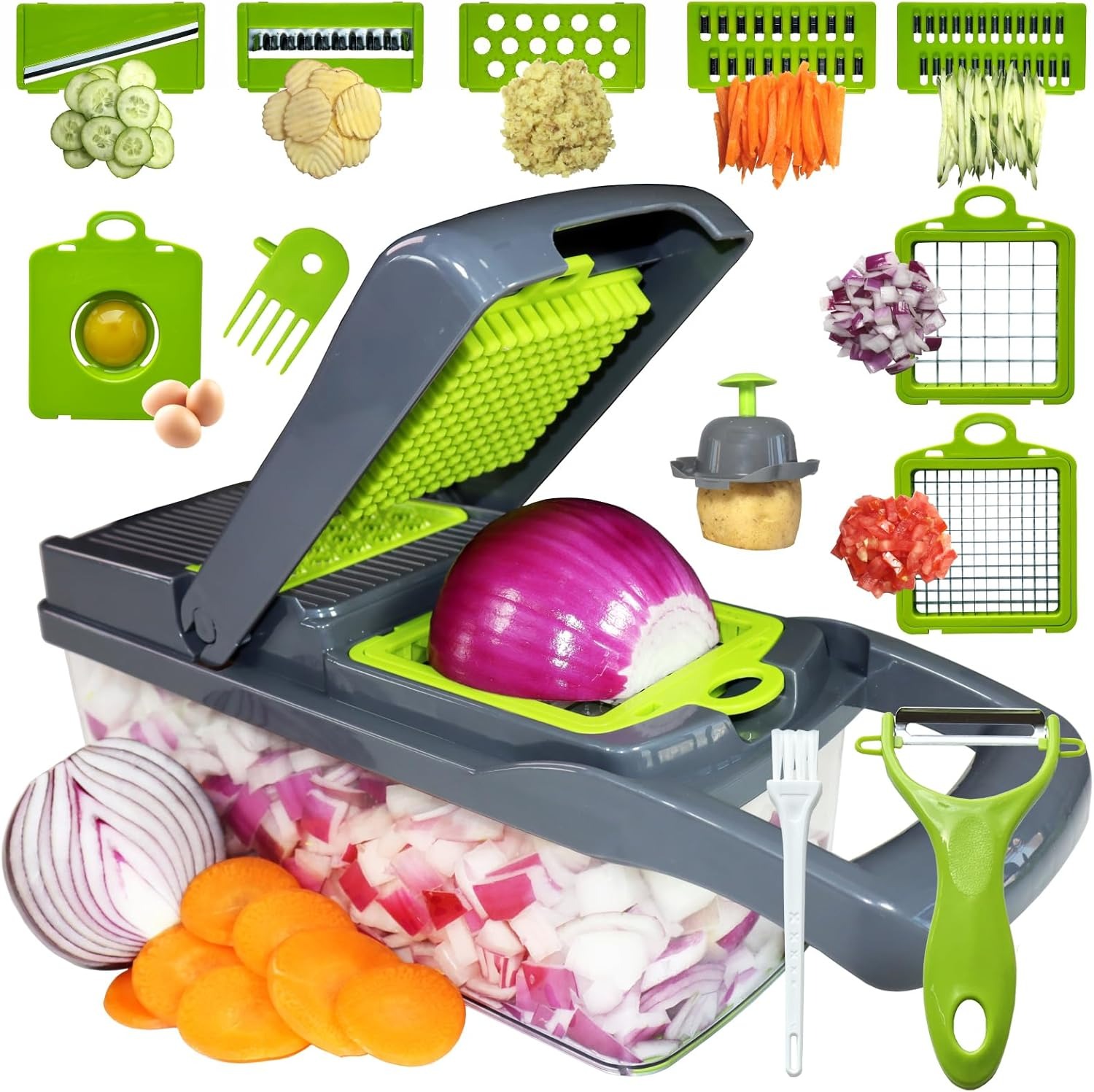
When it comes to picking a portable vegetable chopper, you’ll find a few different styles, each with its own charm and functionality. Understanding these types will help you choose the best fit for your culinary needs.
Manual Portable Vegetable Choppers
These choppers are the unsung heroes of simplicity and portability, requiring no electricity at all.
- Pull-String Choppers: These operate with a simple pull of a cord, spinning razor-sharp blades inside a container. The more you pull, the finer your chop! Models like the Zyliss Easy Pull Food Processor and Kuhn Rikon Pull Chop are favorites for their ease of use and ability to offer precise control over consistency. They’re fantastic for everything from chunky salsa to finely minced garlic.
- Push-Down Choppers: These typically feature a grid-style or zigzag blade that you press down upon, forcing your ingredients through. Many come with interchangeable blades for various cuts, from large dice to fine julienne. The Fullstar Vegetable Chopper and Mueller Pro-Series 10-in-1 are popular for their versatility and often include multiple attachments for slicing, grating, and spiralizing. They’re excellent for achieving consistent, even cubes.
Electric Portable Vegetable Choppers
For those who crave even more speed and less effort, electric options offer powerful, motor-driven chopping.
- Mini Food Processors: While slightly larger than handheld choppers, models like the Cuisinart Mini-Prep Plus are still compact enough to be considered portable. They plug into an outlet and can chop, grind, and even purée with the touch of a button, handling a broader range of tasks beyond just chopping.
- Cordless/USB Rechargeable Handheld Choppers: These are the epitome of portability. Powered by rechargeable batteries (often USB), they’re completely wireless, allowing you to use them anywhere. They typically have smaller capacities but are perfect for mincing garlic, ginger, herbs, or small amounts of vegetables without needing a power outlet. The KitchenAid Cordless 5-Cup Food Chopper is a more robust cordless option, offering significant power on the go.
Key Features to Consider When Buying a Portable Vegetable Chopper
Choosing the right portable vegetable chopper can feel a bit like finding the perfect pair of shoes—it needs to fit just right! Here’s what to look for:
- Operation Type (Manual vs. Electric): Your lifestyle dictates this. If you value complete freedom from outlets and precise control, a manual pull-string or push-down chopper is ideal. If speed and minimal effort are paramount, a cordless electric model or mini food processor will be your best friend.
- Blade Quality and Material: Sharp, durable stainless steel blades are non-negotiable. Look for blades that retain their sharpness over time and can handle various ingredients. Some choppers offer interchangeable blades (grid, S-blade, zigzag) for different cutting styles, enhancing versatility.
- Capacity and Size: Consider how much food you typically chop. Smaller capacities (1-2 cups) are great for individual servings, garlic, or herbs, while larger ones (3-5 cups) suit meal prep for small families. Remember, “portable” often means compact, so balance capacity with your available storage space.
- Ease of Cleaning and Maintenance: A chopper that’s a pain to clean will gather dust in your cupboard. Look for models with detachable, dishwasher-safe parts. Many come with cleaning brushes or scrapers to safely remove stubborn food bits from blades.
- Safety Features: Given those sharp blades, safety is crucial. A non-slip base prevents the chopper from sliding on your countertop. Locking mechanisms ensure the blades are secure during use, and enclosed blades or finger guards (especially for multi-blade models) offer extra protection.
How to Use Your Portable Vegetable Chopper Effectively
Using your portable vegetable chopper is usually straightforward, but a few tips can ensure you get the best results every time.
First, preparation is key. Always wash your produce thoroughly, and remove any stems, peels, or seeds you don’t want to chop. For firmer or larger vegetables like carrots, potatoes, or onions, pre-cut them into smaller, manageable chunks that fit comfortably into the chopper’s chamber. Don’t overload the chopper; it’s better to work in smaller batches to ensure even chopping and prevent strain on the mechanism.
Once your ingredients are ready, place them in the bowl and secure the lid tightly. If it’s a manual pull-string model, give the cord a few swift pulls until you reach your desired consistency—fewer pulls for a coarser chop, more for a finer mince. For push-down models, simply press the plunger or lid down repeatedly. With electric choppers, use the pulse function for controlled chopping, or hold the button for a continuous blend. Always ensure the chopper is stable on your counter (a non-slip base helps immensely!). After use, disassemble and clean all parts immediately to prevent food from drying onto the blades, making cleanup much easier.
Cleaning and Maintenance Tips for Your Portable Vegetable Chopper
Keeping your portable vegetable chopper pristine and performing its best is crucial for its longevity. The golden rule: clean it right after use. Dried-on food is notoriously difficult to remove from blades and crevices.
Most modern choppers are designed for easy cleaning, often with detachable, dishwasher-safe components like the bowl and blades. However, always consult your manufacturer’s instructions, as some parts (especially lids with intricate mechanisms or electric motor bases) may require hand-washing to prevent damage. For manual choppers, hand-washing with warm, soapy water is often recommended for the lid to protect the moving parts. Many choppers come with special cleaning brushes or scrapers to safely dislodge food from the sharp blades—use them! For electric models, never submerge the motor base in water; a simple wipe with a damp cloth is usually sufficient. Regular cleaning not only maintains hygiene but also keeps your chopper working efficiently for years to come.
Outstanding Benefits of Owning a Portable Vegetable Chopper in Your Kitchen
A portable vegetable chopper isn’t just another gadget; it’s a game-changer for anyone who spends time in the kitchen. The benefits go far beyond just chopping:
- Time-Saving Champion: This is perhaps the most significant advantage. What used to take minutes of meticulous knife work can now be done in seconds, dramatically cutting down your meal prep time.
- Consistent, Uniform Cuts: Achieve professional-looking, evenly sized pieces every time. This ensures your food cooks uniformly and looks appealing, enhancing your culinary presentations.
- Reduces Kitchen Accidents: Say goodbye to accidental nicks and cuts. Choppers keep your fingers safely away from sharp blades, making meal prep safer, especially for beginner cooks or if you have dexterity issues.
- Promotes Healthier Eating: With chopping made so easy, you’re more likely to incorporate fresh vegetables into your diet, helping you and your family enjoy more nutritious meals.
- Perfect for Small Spaces: Their compact design means they take up minimal counter or storage space, making them ideal for small kitchens, dorm rooms, or RVs.
- Versatility: Beyond just vegetables, many models can handle fruits, nuts, herbs, and even cooked meats, expanding your culinary possibilities.
- Budget-Friendly: Investing in a good portable vegetable chopper can actually save you money by allowing you to buy whole produce instead of more expensive pre-cut alternatives.
As Chef Anya Sharma, a renowned culinary instructor and author of “Quick & Healthy Bites,” once shared, “A quality portable vegetable chopper is like having an extra pair of hands in the kitchen. It empowers home cooks to experiment with fresh ingredients more often, transforming daunting prep tasks into something genuinely enjoyable. The efficiency it brings frees up time, making homemade meals a much more accessible and less intimidating prospect for busy individuals.”
Common Mistakes to Avoid When Using a Portable Vegetable Chopper
Even with a simple tool like a portable vegetable chopper, a few common missteps can hinder its performance or shorten its lifespan. Let’s make sure you steer clear of them!
- Overloading the Chamber: Trying to chop too much at once is a surefire way to get uneven results or even damage your chopper. Work in smaller batches for optimal performance and consistent cuts.
- Not Pre-Cutting Large/Hard Ingredients: While a chopper is a time-saver, it’s not a magic wand. Large vegetables or very tough ingredients like raw sweet potatoes need to be cut into smaller, more manageable chunks before going into the chopper to prevent the blades from getting stuck or the mechanism from straining.
- Ignoring Tough Skins/Seeds: Certain vegetables have skins or seeds that can be problematic for choppers (e.g., tough bell pepper skins, large avocado pits). Remove these beforehand for smoother operation.
- Over-Processing (Especially Electric Models): Electric choppers, particularly mini food processors, can quickly turn solid ingredients into mush or a paste if you run them for too long. Use the pulse function for more control and check consistency frequently.
- Neglecting Immediate Cleaning: As mentioned, dried food is a nightmare to clean. Make it a habit to rinse or wash your chopper parts right after use.
- Improper Storage: Keep blades covered and store all attachments neatly. This prevents dulling of blades and ensures you can find all pieces when you need them.
Quick Recipes and Creative Meal Ideas with a Portable Vegetable Chopper
Your portable vegetable chopper isn’t just for basic dicing; it unlocks a world of quick and creative meal possibilities! Here are some ideas to get your culinary juices flowing:
- Lightning-Fast Salsa: Tomatoes, onions, jalapeños, cilantro—all chopped in seconds for a fresh pico de gallo. Serve with chips or as a topping for tacos and grilled chicken.
- Chopped Salad Perfection: Load up your chopper with cucumber, bell peppers, carrots, celery, and your favorite greens. Toss with a simple vinaigrette for a gourmet-style chopped salad that’s ready in a flash.
- Homemade Hummus: With a manual food processor-style chopper, you can easily purée chickpeas with tahini, lemon juice, and garlic for creamy homemade hummus.
- Speedy Mirepoix: Dice onions, carrots, and celery together for a foundational aromatic base for soups, stews, and sauces. Freeze extra portions for future meals!
- Flavorful Pestos and Dressings: Mince garlic, herbs, and nuts for vibrant pestos, or emulsify ingredients for creamy salad dressings in your mini electric chopper.
- Baby Food Blends: Easily create fresh, nutritious fruit and vegetable purées for your little ones, ensuring they get the best without added preservatives.
- Deconstructed Guacamole: Quickly chop avocados, red onion, cilantro, and tomatoes for a chunky, satisfying guacamole.
- Nutty Energy Bites: Chop dried fruits and nuts finely, then mix with oats and a binder like honey or nut butter for quick, no-bake energy snacks.
The beauty of a portable vegetable chopper is its ability to simplify so many cooking tasks, encouraging you to be more experimental and enjoy fresh, homemade meals more often.
Frequently Asked Questions (FAQ) About Portable Vegetable Choppers
Q: Is a portable vegetable chopper really worth it if I already have a good knife?
A: Absolutely! While a good knife is essential, a portable vegetable chopper drastically reduces the time and effort for repetitive tasks, provides consistent cuts, and enhances safety, making it a valuable addition even for skilled home cooks.
Q: Can I use a portable vegetable chopper for hard vegetables like sweet potatoes or carrots?
A: Yes, most choppers can handle harder vegetables. However, it’s best to pre-cut them into smaller, more manageable pieces to prevent straining the blades or mechanism. Some push-style choppers may require more pressure for very firm ingredients.
Q: Are portable vegetable choppers difficult to clean?
A: Not at all! Most modern portable vegetable choppers are designed with detachable, dishwasher-safe parts. Many even include special cleaning brushes to make cleaning the sharp blades safe and easy.
Q: What’s the main difference between a portable vegetable chopper and a mini food processor?
A: A portable vegetable chopper is typically smaller and more focused on chopping/dicing, often manually operated or small and cordless. A mini food processor is usually electric (corded), slightly more powerful, and can also grind, purée, and sometimes emulsify, blurring the lines of functionality.
Q: Can I chop nuts or herbs in my portable vegetable chopper?
A: Yes, many portable vegetable choppers, especially those with S-blades or zigzag blades, excel at mincing herbs and chopping nuts. Always check your specific model’s capabilities, and for herbs, avoid over-processing to prevent bruising.
Q: Are there any foods I shouldn’t put in a portable vegetable chopper?
A: Generally, avoid very hard items like coffee beans or ice cubes unless your chopper specifically states it can handle them. Also, raw, tough meats are not ideal, as they can gum up the blades rather than chop cleanly.
Conclusion
In a world that’s always on the go, a portable vegetable chopper is more than just a kitchen gadget—it’s an investment in convenience, efficiency, and a healthier lifestyle. From saving precious minutes during meal prep to inspiring new culinary adventures, these compact powerhouses simplify kitchen tasks, making cooking an enjoyable and stress-free experience. Whether you’re a seasoned chef or a beginner in the kitchen, embracing the ease and versatility of a portable chopper will undoubtedly elevate your cooking game. So, why not make room for this clever kitchen sidekick and transform the way you prepare food? We bet you’ll wonder how you ever managed without your trusty portable vegetable chopper!