Are you tired of unevenly sliced vegetables, tedious chopping, and the endless quest for perfect, uniform cuts in your kitchen? If so, it’s time to meet your new best friend: the Mandoline Vegetable Chopper. This incredible kitchen gadget isn’t just for professional chefs; it’s a game-changer for home cooks looking to elevate their food preparation, save precious time, and achieve restaurant-quality results with ease. A mandoline vegetable chopper simplifies countless tasks, transforming mundane chopping into a swift, satisfying experience.
What is a Mandoline Vegetable Chopper and Why Do You Need One?
A mandoline vegetable chopper is a precision kitchen tool designed to slice, julienne, and often dice fruits and vegetables with remarkable consistency and speed. Think of it as an upgraded, super-efficient version of your favorite chef’s knife for specific tasks. It typically features an adjustable sharp blade (or multiple interchangeable blades) mounted on a flat surface, along with a food holder or handguard to safely glide produce over the cutting edge.\
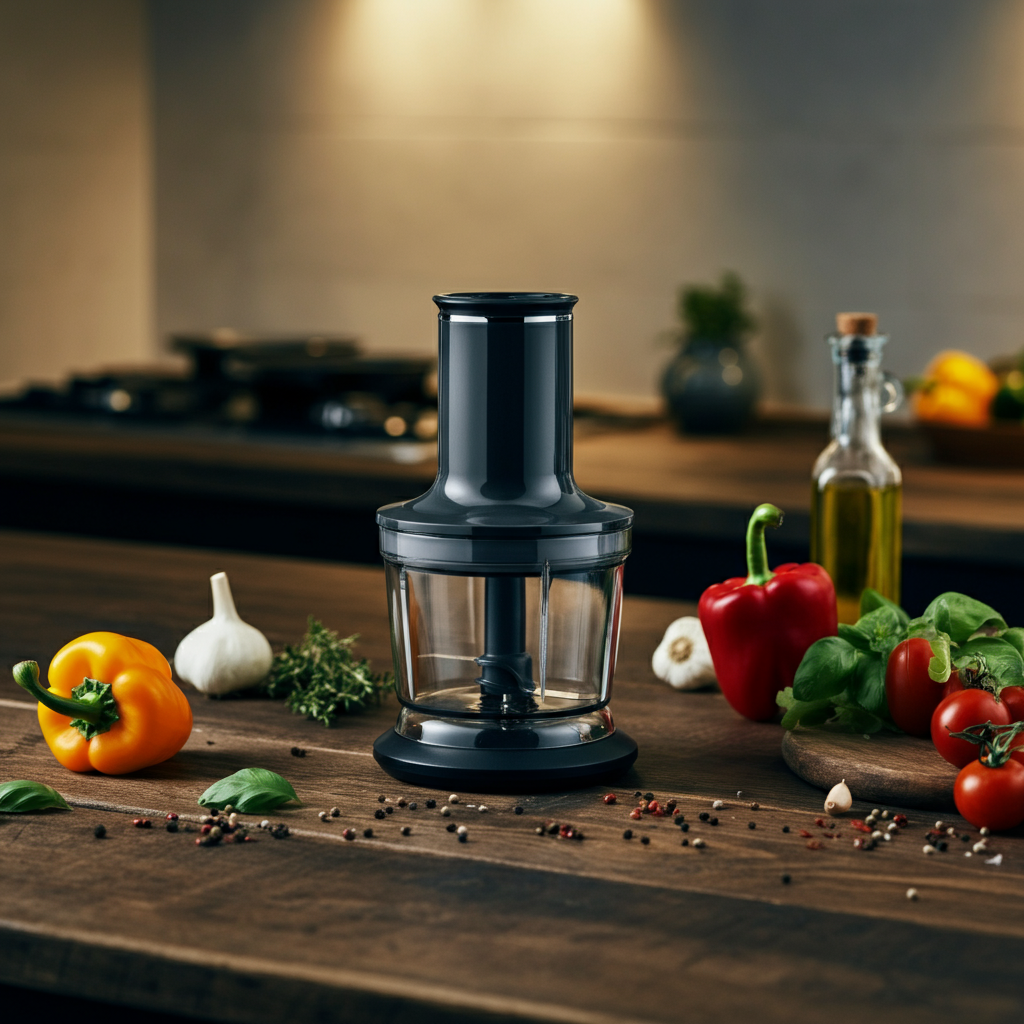
Why do you need one? Beyond the obvious time-saving benefit, a mandoline ensures that every slice, strip, or cube is uniform in thickness. This isn’t just about aesthetics; uniform cuts mean everything cooks evenly, preventing some pieces from being overcooked while others remain raw. Imagine perfectly crispy potato chips, delicate cucumber ribbons for a refreshing salad, or finely shredded cabbage for coleslaw – all achieved in a fraction of the time a knife would take. It brings a touch of culinary artistry to your everyday meals.
Popular Types of Mandoline Vegetable Choppers on the Market
The world of mandoline vegetable choppers offers a variety of designs, each with its own strengths. Understanding these types will help you pick the perfect one for your kitchen adventures.
Basic Handheld Mandolines
These are typically compact, often with a single fixed or limited adjustable blade, and are great for quick tasks and small spaces. They are usually held over a bowl or cutting board.
Tabletop or Freestanding Mandolines
These models come with legs that fold out, providing a stable platform on your countertop. They often feature larger slicing surfaces, more robust construction, and a wider range of adjustable settings and interchangeable blades.
V-Blade Mandolines
V-blades are highly praised for their ability to slice both firm and soft produce, like ripe tomatoes, without tearing. The V-shape helps guide the food through the blade, creating a cleaner cut.
Straight-Blade Mandolines
These are the most traditional type, featuring a single straight blade. They are excellent for firm vegetables and can be very precise.
Multi-Functional Choppers
Many modern “vegetable choppers” combine mandoline-style slicing with dicing grids and spiralizing attachments, offering a versatile all-in-one solution for various cutting needs. These integrated designs can be incredibly convenient for diverse meal prep.
Key Features to Consider When Buying a Mandoline Vegetable Chopper
Choosing the right mandoline vegetable chopper involves weighing several important features to ensure it meets your specific needs and keeps you safe.
- Blade Material and Type: Stainless steel blades are common and very sharp. Ceramic blades are also popular; they retain their edge longer and resist rust. Consider models with interchangeable blades for various cuts like julienne, matchstick, crinkle, or waffle. A V-blade is often preferred for versatility.
- Safety Features: This is paramount. Look for a robust handguard or food pusher that securely holds your ingredients and keeps your fingers far from the blade. Non-slip feet or a sturdy base are also crucial for stability during use. Some innovative designs even feature enclosed blades for enhanced safety.
- Adjustability: How easily can you adjust the slice thickness? Some mandolines offer infinite adjustments via a dial, while others have pre-set thickness levels. More options mean greater versatility for different recipes.
- Ease of Cleaning: Blades are sharp, so cleaning needs to be safe and simple. Check if the mandoline is dishwasher-safe or if components are easily removable for handwashing. A cleaning brush is a thoughtful addition.
- Size and Storage: Do you have limited kitchen space? Handheld models are compact, while freestanding ones might require more storage. Many larger models fold flat for convenience.
- Durability and Construction: A well-built mandoline, often made from high-quality plastic or stainless steel, will last longer and withstand frequent use.
How to Use Your Mandoline Vegetable Chopper Effectively
Using a mandoline vegetable chopper isn’t rocket science, but mastering a few techniques and prioritizing safety will make all the difference.
- Prep Your Workspace: Place your mandoline on a clean, stable, non-slip surface. A damp paper towel under its feet can add extra grip. If your mandoline doesn’t have a built-in container, position a large bowl or cutting board beneath it to catch the slices.
- Prepare Your Produce: For optimal results, trim your fruits or vegetables to create a flat, stable surface. This ensures an even start for each slice. If your produce is too large to fit the chute or handguard, pre-cut it into manageable pieces.
- Choose Your Setting: Select your desired blade and thickness setting. Refer to your mandoline’s instructions for how to change blades or adjust thickness.
- Engage the Handguard: This is your non-negotiable safety tool. Impale your vegetable firmly onto the prongs of the handguard or food pusher. This keeps your fingers safely away from the razor-sharp blade.
- Slice with Confidence: Hold the mandoline at a slight angle, perpendicular to your body, for best control. Apply firm, even pressure as you glide the handguard (with the food attached) back and forth over the blade. Maintain a steady, controlled motion – never rush.
- Utilize Cut-Resistant Gloves: For an extra layer of protection, especially when you’re new to using a mandoline or working with smaller pieces, consider wearing a cut-resistant glove on the hand holding the food. “Even experienced cooks benefit from the peace of mind a good pair of cut-resistant gloves provides,” advises Chef Antoine Dubois, a renowned culinary expert.
Cleaning and Maintenance Tips for Your Mandoline Vegetable Chopper
Keeping your mandoline clean and well-maintained is crucial for its longevity and your safety.
- Immediate Cleaning: The best time to clean your mandoline is immediately after use, before food residues dry and stick.
- Be Careful with Blades: Always handle blades with extreme caution. Use the provided cleaning brush, if available, or a stiff-bristled brush to remove food particles. Avoid using your bare hands directly on the blades.
- Dishwasher vs. Hand Wash: While some components might be dishwasher safe, handwashing is often recommended for the main slicing body and blades to preserve sharpness and prevent damage. Check your manufacturer’s instructions.
- Thorough Drying: Ensure all parts are completely dry before storing to prevent rust, especially on metal blades.
- Safe Storage: Store blades and attachments in their designated safety cases or containers. Many mandolines are designed to fold compactly or have integrated storage for components, keeping your kitchen organized and safe.
Outstanding Benefits of Owning a Mandoline Vegetable Chopper in Your Kitchen
A mandoline vegetable chopper isn’t just another gadget; it’s an investment in your culinary efficiency and creativity.
- Unmatched Precision and Uniformity: Say goodbye to haphazard cuts. Every slice is perfectly even, which means professional-looking dishes and consistent cooking times.
- Significant Time Savings: Prep work that once took ages with a knife can be completed in minutes. Think of all the extra time you’ll have to enjoy your delicious meals!
- Enhanced Presentation: Beautifully uniform ingredients make your dishes more appealing and impressive, whether it’s a simple salad or an elaborate gratin.
- Versatility in Cuts: With adjustable thickness and interchangeable blades, you can create a wide array of cuts – from paper-thin shaves for carpaccio to sturdy julienne for stir-fries, and even decorative crinkle or waffle cuts.
- Healthier Eating Made Easy: Quickly prepping large quantities of vegetables makes it easier to incorporate fresh, healthy ingredients into your diet.
- Effortless Batch Cooking: Preparing ingredients for meal prepping or large gatherings becomes a breeze, ensuring all components are ready at the same time.
Common Mistakes to Avoid When Using a Mandoline Vegetable Chopper
Even with the best intentions, some common pitfalls can turn your mandoline experience into a struggle.
- Not Using the Handguard: This is the number one mistake and the most dangerous. Always, always use the handguard or food pusher. Your fingers are precious!
- Rushing the Process: While a mandoline is fast, rushing increases the risk of accidents. Take your time, especially when you’re still getting comfortable with the tool.
- Forcing Hard Vegetables: If a vegetable isn’t gliding easily, don’t force it. The blade might be dull, or the setting might be too thin for the produce’s density. Forcing can cause slips and injuries.
- Improper Cleaning: Neglecting immediate and careful cleaning can lead to food buildup, dull blades, and potential hazards during subsequent use.
- Ignoring Blade Sharpness: A dull blade is more dangerous than a sharp one because it requires more force, increasing the chance of slipping. While many mandoline blades aren’t easily sharpened at home, be aware of when a blade is no longer performing optimally.
Quick Recipes and Creative Meal Ideas with a Mandoline Vegetable Chopper
Unleash your culinary creativity with these inspiring ideas for your mandoline vegetable chopper:
- Crispy Potato Chips: Achieve restaurant-thin potato slices for homemade chips that fry up perfectly crispy.
- Elegant Potato Gratin: Uniformly thin potato layers for a rich, evenly cooked gratin.
- Refreshing Cucumber Salad: Paper-thin cucumber rounds or ribbons that absorb dressing beautifully.
- Vibrant Coleslaw: Finely shredded cabbage and carrots for a delightful crunch.
- Healthy Zucchini Ribbons: Create delicate zucchini noodles or ribbons for light salads or layered dishes.
- Beetroot or Apple Crisps: Ultra-thin slices baked or dehydrated for healthy snacks.
- Quick Stir-Fries: Julienne carrots, bell peppers, and other vegetables in seconds for fast and flavorful stir-fry meals.
- Professional Garnishes: Delicate radish rounds or lemon slices that add a touch of sophistication to any plate.
Frequently Asked Questions about Mandoline Vegetable Choppers
What is the main difference between a mandoline and a regular vegetable chopper?
A mandoline excels at creating consistently thin slices and specific cuts like julienne or waffle with a single, sharp blade action. A regular vegetable chopper often dices or coarsely chops with multiple blades or a pressing mechanism, focusing on speed for rougher cuts.
Are mandoline choppers safe to use?
Yes, when used correctly and with the provided safety features, mandoline choppers are safe. Always use the handguard and consider cut-resistant gloves for added protection.
Can I slice onions with a mandoline vegetable chopper?
Absolutely! Mandolines are fantastic for slicing onions evenly and quickly, perfect for onion rings, caramelized onions, or delicate garnishes.
How do I prevent my vegetables from sticking to the mandoline blade?
Ensure your blade is clean and sharp. For starchy vegetables like potatoes, a light mist of water on the cutting surface can help reduce friction.
What kind of vegetables can I cut with a mandoline?
You can cut a wide variety, including potatoes, cucumbers, carrots, zucchini, onions, bell peppers, radishes, beets, and even harder fruits like apples. Softer produce like tomatoes benefits from V-blades.
How do I store my mandoline vegetable chopper?
Many mandolines are designed for compact storage, often folding flat or having integrated compartments for blades. Always store blades safely in their protective covers.
Is it worth investing in a more expensive mandoline?
More expensive models often offer superior build quality, sharper and more durable blades, a wider range of adjustable settings, and enhanced safety features. If you plan to use it frequently, a higher-quality mandoline can be a worthwhile investment.
Final Slice: Elevate Your Culinary Game
The mandoline vegetable chopper is more than just a kitchen gadget; it’s a strategic tool that empowers you to cook with greater efficiency, precision, and confidence. From creating visually stunning dishes to drastically cutting down your prep time, a mandoline is a true kitchen MVP. So, embrace the art of the perfect slice, elevate your everyday meals, and unlock a new world of culinary possibilities. Get ready to transform your vegetables and, indeed, your entire cooking experience with a mandoline vegetable chopper by your side. You’ll wonder how you ever managed without it!