In the fast-paced world of commercial kitchens, where every second and every dollar counts, the relentless task of vegetable preparation can often feel like a culinary marathon. Manual chopping is not only time-consuming and labor-intensive but also prone to inconsistencies that can affect the quality and presentation of your dishes. This is where the Industrial Vegetable Chopper steps in as a true game-changer, revolutionizing how food service operations handle bulk vegetable prep, ensuring unparalleled efficiency, consistency, and significant cost savings. It’s more than just an appliance; it’s a strategic investment for any business aiming to streamline its workflow and elevate its culinary output.
What is an Industrial Vegetable Chopper and Why Do You Need One?
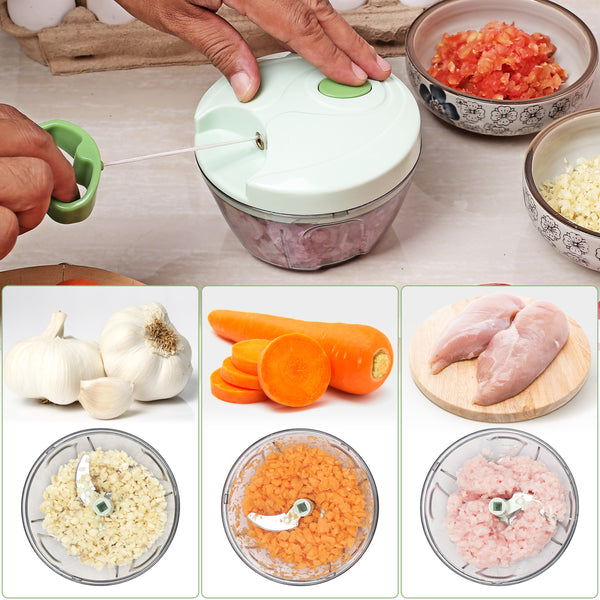
An industrial vegetable chopper is a heavy-duty, specialized kitchen machine engineered to process large volumes of produce into uniform cuts quickly and safely. Unlike smaller home choppers or standard food processors designed for domestic use, these robust units are built to withstand the rigorous demands of a professional kitchen, catering service, or food processing plant. They are the backbone of high-volume food prep, performing tasks like dicing, slicing, shredding, and julienning with precision that hand-cutting simply cannot match.
You need an industrial vegetable chopper for several compelling reasons:
- Time Efficiency & Speed: Imagine dicing 50 pounds of onions in minutes instead of hours. An industrial vegetable chopper drastically cuts down preparation time, allowing your staff to focus on more complex, value-added tasks.
- Consistency & Precision: For restaurants and catering, uniformity is crucial for presentation and even cooking. These machines guarantee identical cuts, enhancing the visual appeal of your dishes and ensuring every bite cooks perfectly.
- Labor Savings & Optimization: Reducing the need for extensive manual labor translates directly into lower payroll costs and frees up skilled staff for culinary creation rather than repetitive prep work.
- Reduced Food Waste: Inconsistent knife skills often lead to unusable scraps. The precise action of an industrial vegetable chopper maximizes yield from every vegetable, directly improving your profit margins.
- Improved Kitchen Safety: Repetitive knife work is a significant source of injury in professional kitchens. Utilizing a chopper with its built-in safety features reduces the risk of cuts and repetitive strain injuries.
- Durability & Longevity: Constructed from high-quality materials like stainless steel and heavy-duty aluminum, these machines are built to last for years, offering a reliable solution for continuous, demanding use.
Navigating Your Options: Finding the Right Industrial Vegetable Chopper
Choosing the right industrial vegetable chopper is a crucial decision that can significantly impact your kitchen’s productivity and efficiency. It’s not a one-size-fits-all solution, as different operations have unique needs regarding volume, types of cuts, and space. Understanding the various models available and the features that matter most will guide you toward making an informed investment that truly benefits your business. Consider your daily prep volume, the specific cuts you need, and your available counter or floor space to select a machine that integrates seamlessly into your workflow.
Popular Types of Industrial Vegetable Choppers on the Market
The market offers a diverse range of industrial vegetable choppers, each suited for different scales and tasks:
- Manual Heavy-Duty Choppers: These hand-operated units are robust and ideal for smaller commercial operations or specific tasks like French fry cutting or tomato wedging. They are durable, often counter-mounted, and provide consistent cuts for moderate volumes.
- Electric Choppers/Dicers: Stepping up in power and volume, electric models are faster and can handle larger quantities of vegetables. They typically feature powerful motors and interchangeable blades for a variety of cuts, from dicing and slicing to shredding.
- Continuous-Feed Processors: Designed for high-volume operations, these machines allow ingredients to be fed continuously without stopping, maximizing throughput. They are perfect for large-scale food processing plants or central kitchens.
- Batch Bowl Cutters / Vertical Cutters / Buffalo Choppers: These versatile and powerful machines feature large bowls and rotating blades, capable of chopping, mixing, grinding, and puréeing tough ingredients like fibrous vegetables and even meats in large batches. They are indispensable for creating consistent sauces, salsas, and finely minced ingredients.
- Commercial-Grade Mandolines: While some consider them slicers, robust commercial mandolines provide ultra-thin, uniform slices with speed and precision, essential for garnishes, delicate salads, or specific preparations where consistent thickness is paramount.
Key Features to Consider When Buying an Industrial Vegetable Chopper
When investing in an industrial vegetable chopper, certain features stand out as essential for performance, durability, and operational ease:
- Capacity & Volume: Assess your daily production needs. Machines can range from moderate capacity (e.g., 3-6 liters or a few hundred kg/hour) to high-capacity industrial units (800-1500 kg/hour), ensuring you choose one that matches your peak demands.
- Blade Material & Versatility: Look for sharp, durable blades, typically made from food-grade 420 stainless steel. Interchangeable blade sets are critical, allowing you to achieve various cuts like dices (e.g., 1/4″, 3/8″, 1/2″), slices, julienne, and shredding with a single machine.
- Construction Material: Durability is paramount. SUS304 stainless steel and heavy-duty, one-time die-cast aluminum alloy are preferred for their corrosion resistance, longevity, and food safety compliance.
- Power Type: Decide between manual (for specific cuts or smaller volumes) and electric (for high-speed, high-volume processing). For electric models, consider motor power and noise level.
- Ease of Cleaning & Disassembly: In a commercial kitchen, hygiene is non-negotiable. Choose models that are easy to disassemble, clean thoroughly with mild detergents, and quickly reassemble to maintain food safety standards.
- Safety Features: Prioritize models with safety mechanisms like non-slip bases, protective hand guards, and safety switches that halt operation if the lid is open or parts are not correctly engaged. An ergonomic handle for manual models can also reduce strain.
- Footprint & Portability: Consider your kitchen space. Countertop models are great for space-saving, while larger freestanding units are built for higher volumes but require dedicated floor space.
How to Use Your Industrial Vegetable Chopper Effectively
Maximizing the potential of your industrial vegetable chopper requires not just good equipment, but also proper technique and adherence to safety guidelines.
- Read the Manual: Always begin by thoroughly understanding your specific model’s operating instructions, safety features, and maintenance requirements.
- Prepare Ingredients: Pre-wash and, if necessary, pre-cut larger vegetables into pieces that fit comfortably into the chopper’s feed chute. This prevents jamming and ensures smoother operation.
- Use Proper Feeding Technique: For consistent results, apply even, steady pressure with the pusher mechanism. Avoid forcing ingredients, as this can strain the motor or damage blades. Some items may benefit from being rotated 90 degrees between cuts for specific shapes.
- Utilize Interchangeable Blades: Familiarize yourself with the various blade sets and choose the correct one for your desired cut. Switching blades is typically straightforward and allows for immense versatility.
- Prioritize Safety: Always wear cut-resistant gloves when handling blades. Ensure all safety guards are in place and operational before starting the machine. Never reach into the cutting area while the machine is running.
Cleaning and Maintenance Tips for Your Industrial Vegetable Chopper
Proper cleaning and maintenance are critical for extending the lifespan of your industrial vegetable chopper, ensuring consistent performance, and upholding food safety standards.
- Daily Cleaning Routine: After each use, immediately turn off and unplug the machine. Disassemble all removable parts (blades, push blocks, containers) and wash them thoroughly with warm water and a mild, food-grade detergent. Avoid harsh alkaline cleansers that can damage metal surfaces. Dry all components completely before reassembly to prevent corrosion and microbial growth.
- Blade Care: Sharp blades are crucial for efficiency and safety. Inspect blades weekly for dullness or damage. Use a fine-grit honing stone to realign edges, maintaining the manufacturer’s recommended sharpening angles (typically 20-22 degrees). Never file or grind blades, as this can void warranties and compromise their integrity. Replace severely dull or chipped blades promptly.
- Lubrication: For electric models, lubricate moving parts according to the manufacturer’s instructions, using food-grade mineral oil, not cooking oil, which can become sticky.
- Regular Inspection: Periodically check rubber seals, motor alignment, and safety locks for wear and tear. Address any unusual noises or resistance during operation immediately.
- Storage: Store your industrial vegetable chopper in a dry, clean environment. Keep blades in designated, secure racks to prevent injuries and damage.
- Professional Service: Schedule annual professional inspections to identify potential internal wear in bearings or gears and perform preventative maintenance, which costs significantly less than emergency repairs.
Outstanding Benefits of Owning an Industrial Vegetable Chopper in Your Kitchen
The advantages of integrating an industrial vegetable chopper into your commercial kitchen extend far beyond simple convenience, directly impacting your bottom line and operational excellence.
These powerful machines deliver a substantial boost in productivity, allowing your team to prepare vast quantities of ingredients in a fraction of the time it would take manually. This increased output means faster service during peak hours and the ability to handle larger orders with ease. The consistency in cuts ensures not only visually appealing dishes but also uniform cooking, leading to a higher quality product that keeps customers coming back. Most importantly, the significant reduction in labor costs—by minimizing manual chopping hours—and the decrease in food waste due to precise cuts, both directly contribute to enhanced profitability. As Chef Eleanor Vance, a veteran in high-volume catering, often says, “An industrial vegetable chopper isn’t just a piece of equipment; it’s a strategic partner that pays for itself in efficiency and consistent quality, freeing up my chefs to truly cook.”
Common Mistakes to Avoid When Using an Industrial Vegetable Chopper
Even with robust machinery, a few common missteps can hinder performance and compromise safety. Steer clear of these pitfalls to ensure your industrial vegetable chopper operates at its best:
- Not Reading the Manual: Skipping the instructions is a recipe for operational inefficiencies and potential damage.
- Overloading the Machine: Pushing too many vegetables through at once strains the motor and blades, leading to breakdowns and inconsistent cuts.
- Forcing Ingredients: If an item isn’t cutting easily, don’t force it. This indicates a dull blade or an improper setup, and forcing can damage the machine.
- Neglecting Cleaning and Blade Maintenance: A dirty machine harbors bacteria, and dull blades work harder, impacting efficiency and longevity.
- Using Improper Cleaning Agents: Harsh chemicals can corrode parts and compromise food safety. Stick to mild, food-grade detergents.
- Ignoring Safety Features: Bypassing guards or safety switches is extremely dangerous and can lead to severe injuries.
- Not Replacing Dull Blades: Dull blades not only make poor cuts but also put unnecessary stress on the motor, leading to premature wear.
Streamlining Your Production: Efficient Applications for Industrial Vegetable Choppers
An industrial vegetable chopper isn’t just for basic dicing; it’s a versatile powerhouse that can transform multiple aspects of your commercial kitchen’s production. For instance, imagine effortlessly slicing large quantities of potatoes for consistent french fries or uniformly dicing onions, carrots, and celery for the base of soups and stews that cook evenly every time. It excels at shredding cabbage for slaws, julienning vegetables for stir-fries, and creating perfect cubes for fruit salads or roasted vegetable medleys. This machine empowers your kitchen to prepare ingredients for an expansive menu, from precise garnishes to high-volume side dishes, all with unmatched speed and consistency. It ensures that no matter the application, your ingredients are always perfectly prepped and ready for the next stage of cooking.
Frequently Asked Questions (FAQ) About Industrial Vegetable Choppers
Q: Can industrial vegetable choppers handle tough vegetables like sweet potatoes?
A: Yes, high-quality industrial vegetable choppers are built with robust motors and sharp 420 stainless steel blades specifically designed to cut through tough vegetables like sweet potatoes, carrots, and even some fruits with ease and precision.
Q: How often should blades be sharpened or replaced?
A: Blades should be inspected weekly and honed with a fine-grit stone to maintain sharpness. They should be replaced when they become dull, chipped, or damaged, as dull blades can strain the machine and produce inconsistent results.
Q: Are industrial vegetable choppers difficult to clean?
A: Modern industrial choppers are designed for easy cleaning. Most models feature removable components that can be quickly disassembled and washed with warm water and mild detergent. Proper daily cleaning is crucial for hygiene and longevity.
Q: What’s the main difference between an industrial vegetable chopper and a standard food processor?
A: An industrial vegetable chopper is engineered for precise, uniform cuts (dicing, slicing) of large volumes, maintaining the ingredient’s texture. A standard food processor, while versatile, is often better suited for puréeing, shredding, or emulsifying, and typically produces less consistent cuts for firm vegetables.
Q: What kind of return on investment (ROI) can I expect from an industrial vegetable chopper?
A: The ROI is significant. By drastically reducing manual labor hours, minimizing food waste due to consistent cuts, and increasing overall production throughput, an industrial vegetable chopper often pays for itself quickly through saved labor costs and increased efficiency, contributing directly to your restaurant’s profitability.
Conclusion
The industrial vegetable chopper is an indispensable asset for any commercial kitchen or food service operation striving for peak efficiency and consistent quality. It stands as a testament to how intelligent equipment choices can fundamentally transform daily operations, from minimizing labor costs and reducing food waste to enhancing food safety and ensuring every dish meets the highest standards. Investing in a high-quality industrial vegetable chopper is more than just buying a machine; it’s empowering your kitchen with a tool that boosts productivity, elevates consistency, and ultimately drives your business’s success. Embrace the power of precision and efficiency – your kitchen, your staff, and your customers will thank you for it.