Tired of endless chopping, dicing, and slicing? If you’re looking to reclaim your time in the kitchen and make meal prep a breeze, then finding the best manual vegetable chopper might just be the game-changer you need. Forget the whirring of electric gadgets; a manual chopper offers a quiet, efficient, and surprisingly versatile way to handle your produce, giving you perfectly uniform cuts without the fuss. Let’s dive in and discover why this humble kitchen tool deserves a prime spot on your countertop.
What is a Vegetable Chopper and Why Do You Need One?
A vegetable chopper, particularly a manual one, is a kitchen gadget designed to simplify and speed up the process of cutting vegetables. Unlike traditional knives and cutting boards, these clever tools allow you to dice, slice, mince, or chop with minimal effort and impressive consistency. Think of it as your personal sous-chef, ready to tackle onions, peppers, carrots, and more in seconds. Why do you need one? Well, beyond saving precious time, a good manual vegetable chopper can reduce kitchen fatigue, minimize mess, and even help you achieve more professional-looking dishes. It’s perfect for everything from whipping up a quick salsa to prepping a large batch of stew vegetables.
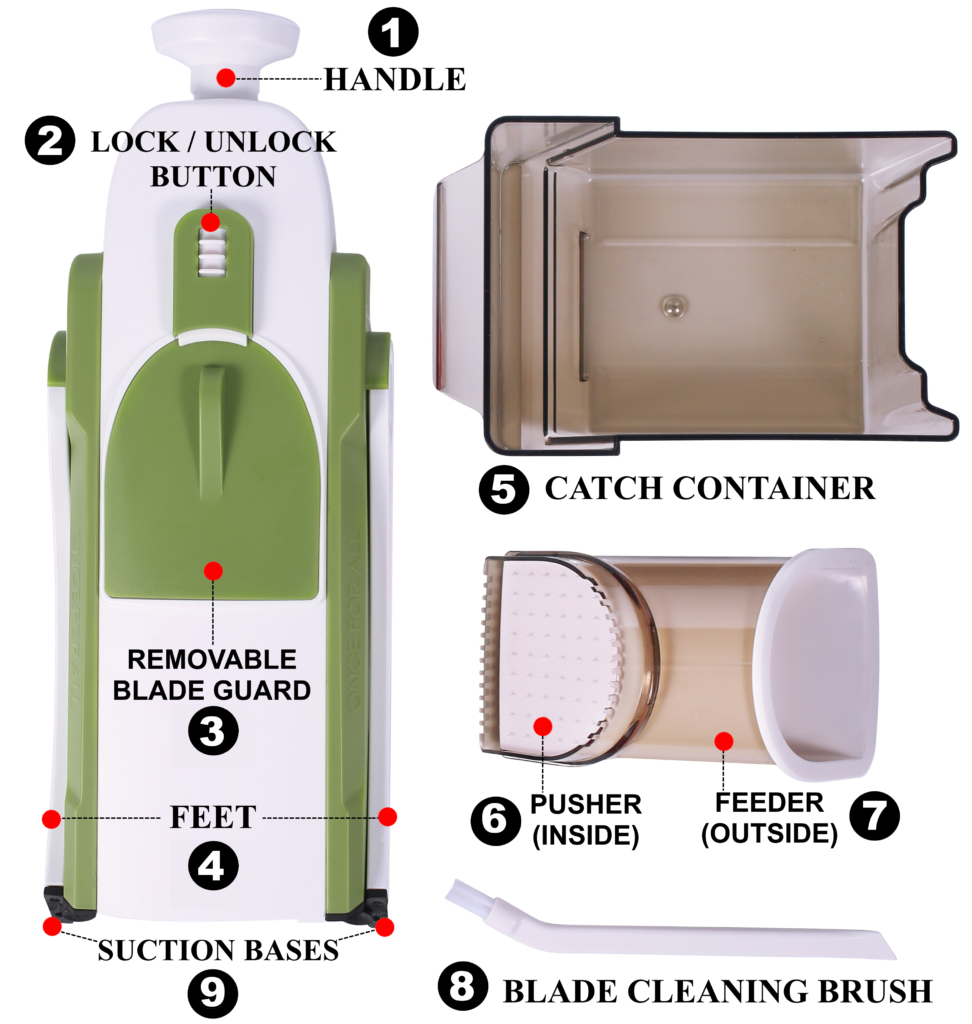
Popular Types of Manual Vegetable Choppers on the Market
When you’re searching for the best manual vegetable chopper, you’ll primarily encounter a couple of popular designs, each with its own charm and utility.
First up, we have the push-style choppers. These often feature a grid of sharp blades that you press down onto a pre-cut piece of vegetable. The veggie gets forced through the blades and neatly falls into a collection container below. They’re fantastic for achieving consistent dice sizes and are usually very straightforward to use. Models like the Mueller 4-Blade Onion Chopper are prime examples, offering various blade inserts for different cut sizes.
Then there are pull-string choppers, which operate more like miniature food processors. You place your ingredients into a bowl with a spinning blade, secure the lid, and pull a cord that rotates the blades. The more you pull, the finer your chop. The Zyliss Easy Pull Food Chopper is a well-regarded option in this category, known for its ability to handle everything from firm vegetables to herbs and nuts. These are often praised for their versatility and ease of making quick minces or purees.
Key Features to Consider When Buying a Manual Vegetable Chopper
Choosing the best manual vegetable chopper involves looking at a few crucial features to ensure it meets your specific kitchen needs.
- Blade Quality and Variety: High-quality stainless steel blades are a must for durability and sharp, precise cuts. Many choppers come with interchangeable blades, allowing you to switch between dicing, slicing, julienning, or even spiralizing. The Mueller Vegetable Chopper, for instance, is often highlighted for its multiple sharp, interchangeable stainless steel blades.
- Collection Container: A built-in container that collects your chopped produce is a huge plus. It keeps your workspace tidy and minimizes transferring ingredients, making cleanup a breeze. Look for containers with clear measurement markers.
- Ease of Use: Is it intuitive? Does it require excessive force? Manual choppers should feel effortless. Pull-string models should have a comfortable handle, and push-style ones should offer a smooth, efficient press.
- Stability: A non-slip base is essential to prevent the chopper from sliding around your counter while in use, ensuring safety and efficiency.
- Cleaning and Maintenance: Dishwasher-safe components are a massive time-saver. Consider how easily the blades and other parts disassemble for thorough cleaning. As “Kitchen Gadget Guru,” Chef Amelia Roberts, always says, “The best kitchen tool isn’t just about how well it chops, but how joyfully it cleans!”
- Size and Storage: If kitchen space is a premium, look for compact designs or models that can be easily stored without taking up too much room. The OXO Good Grips Chopper, for example, is noted for its compact design, ideal for small spaces.
How to Use Your Manual Vegetable Chopper Effectively
Using your best manual vegetable chopper effectively is all about a few simple techniques to get the most out of your tool and avoid common pitfalls.
- Prep Your Veggies: While choppers save time, a little pre-cutting can go a long way. For push-style choppers, ensure your vegetables are cut into pieces that fit comfortably on the blade grid – often halves or quarters for larger items like onions or bell peppers. For pull-string choppers, smaller chunks will yield a more even chop faster.
- Position Correctly: Place the vegetable firmly on the blade surface. For push-style, ensure it’s centered. For pull-string, make sure the blade is correctly inserted and the lid is securely locked.
- Apply Even Pressure (Push-Style): With grid choppers, use a firm, even push. Don’t try to force too much at once. Let the sharp blades do the work.
- Control Your Chops (Pull-String): For pull-string models, a few short, brisk pulls will give you a coarse chop, while more pulls will result in a finer mince. Keep an eye on the consistency through the clear container.
- Empty and Repeat: Once your batch is chopped, empty the container and repeat the process. Don’t overfill the chopper, as this can lead to uneven results or damage.
Cleaning and Maintenance Tips for Your Manual Vegetable Chopper
Keeping your best manual vegetable chopper in top condition is crucial for its longevity and performance.
- Clean Immediately: Don’t let food dry and stick to the blades or plastic parts. Rinse it as soon as you’re done.
- Disassemble Fully: Most choppers are designed to be easily taken apart. Separate all components – blades, container, lid, pusher – for a thorough clean.
- Beware of Blades: Manual chopper blades are incredibly sharp. Always handle them with extreme care. Use a cleaning brush (often included) to dislodge any stubborn food bits, rather than your fingers.
- Dishwasher-Safe Parts: Many modern manual choppers boast dishwasher-safe components, making cleanup super convenient. However, it’s generally recommended to place them on the top rack to prevent any potential damage from high heat, especially for plastic parts.
- Air Dry Thoroughly: Ensure all parts are completely dry before reassembling and storing. This prevents rust on stainless steel blades and inhibits bacterial growth.
- Proper Storage: Store your chopper in a way that protects the blades and keeps all its attachments together. Some come with blade covers or dedicated storage caddies.
Outstanding Benefits of Owning a Manual Vegetable Chopper in Your Kitchen
Investing in the best manual vegetable chopper brings a host of benefits that can transform your cooking routine.
- Time-Saving Powerhouse: This is perhaps the most significant advantage. Chopping an entire onion, a bell pepper, or a handful of garlic cloves can go from a multi-minute task to a few seconds. Imagine how much quicker your stir-fries, salsas, and soups will come together!
- Consistent Results: Achieve uniform dice sizes every single time, which not only looks more appealing in your dishes but also ensures even cooking. No more mismatched chunks that cook at different rates.
- Reduce Kitchen Fatigue: Say goodbye to tired hands and wrists from endless knife work. A manual chopper takes the strain out of repetitive tasks, making meal prep more enjoyable, especially if you’re cooking for a crowd or have dexterity challenges.
- Minimize Mess and Tears: Many manual choppers come with enclosed containers that catch all the chopped bits, preventing them from scattering across your counter. For onions, this enclosed design can also trap those eye-watering vapors, making the process much less irritating.
- No Electricity Needed: Manual choppers are always ready to go, anytime, anywhere. No plugs, no cords, no reliance on power outlets – making them perfect for camping, RVs, or simply saving energy.
- Compact and Easy to Store: Compared to bulky food processors, most manual choppers are relatively compact, fitting easily into kitchen cabinets or drawers.
Common Mistakes to Avoid When Using a Manual Vegetable Chopper
Even with the best manual vegetable chopper, a few common slip-ups can hinder your experience. Steer clear of these to ensure smooth sailing in the kitchen.
- Overfilling the Chopper: Trying to chop too many vegetables at once is a recipe for disaster. It can lead to uneven results, stuck blades, or even damage to the unit. Work in smaller batches.
- Not Pre-cutting Larger Items: While choppers are amazing, most aren’t designed to handle a whole, uncut large vegetable like a full onion or a giant carrot. Always cut larger items into manageable pieces that fit the blade area before chopping.
- Forcing the Blades: If you find yourself having to use excessive force, something isn’t right. It could be an overloaded chamber, too large a piece of vegetable, or dull blades. Don’t push too hard, as this can damage the chopper or cause injury.
- Using on Inappropriate Foods: While versatile, not all foods are ideal for a manual chopper. Very soft or watery foods might get bruised or squashed rather than cleanly cut. Similarly, very hard, dense items might be too tough for some manual models.
- Neglecting Immediate Cleaning: Allowing food to dry on the blades and crevices makes cleaning much harder later. A quick rinse right after use can save you a lot of scrubbing time.
Quick Recipes and Creative Meal Ideas with a Manual Vegetable Chopper
Your best manual vegetable chopper isn’t just about saving time; it’s about inspiring creativity! Here are some quick recipes and meal ideas where your chopper truly shines.
- Speedy Salsa: Dice tomatoes, onions, cilantro, and jalapeños in seconds. Add lime juice and a pinch of salt for a fresh, homemade salsa that beats store-bought every time.
- Quick Coleslaw: Finely shred cabbage and carrots for a vibrant, crunchy coleslaw. Mix with your favorite dressing for a super-fast side dish.
- Effortless Stir-Fry Prep: Uniformly chop bell peppers, onions, carrots, and celery. Your stir-fry will cook evenly and look professional.
- Homemade Relish: Dice pickles, onions, and peppers for a delicious, tangy relish to top hot dogs or burgers.
- Hash Browns in a Flash: Cube potatoes quickly for crispy homemade hash browns.
- Garlic & Herb Mince: Mince garlic, ginger, and herbs with ease for marinades, dressings, or aromatic cooking bases.
FAQ: Your Burning Questions About Manual Vegetable Choppers Answered
Q1: Are manual vegetable choppers better than electric ones?
A: It depends on your needs! Manual choppers are typically more compact, quieter, easier to clean, more affordable, and don’t require electricity, making them great for smaller tasks and spaces. Electric choppers (mini food processors) offer more power and versatility for pureeing or processing larger quantities.
Q2: How durable are the blades on a manual vegetable chopper?
A: The durability of manual chopper blades largely depends on the material and quality. Most reputable brands use sturdy stainless steel blades designed to stay sharp with regular use. Mueller choppers, for example, are known for their robust stainless steel blades.
Q3: Can I chop nuts and herbs in a manual vegetable chopper?
A: Yes, many manual choppers, especially pull-string models, are excellent for chopping nuts and mincing herbs. Some push-style choppers with specific zigzag blades can also handle these, but grid-style blades are typically less suited for very small or delicate items like herbs.
Q4: Is it safe to use a manual vegetable chopper?
A: Yes, manual vegetable choppers are generally very safe when used correctly. The key is to always handle the sharp blades with caution, use the included cleaning tools, and ensure the chopper is stable on your counter. Many come with handguards for safety during use.
Q5: How do I prevent vegetables from getting stuck in the blades?
A: To prevent vegetables from getting stuck, avoid overfilling the chopper, pre-cut larger items into smaller pieces, and ensure you’re using firm, even pressure. For sticky vegetables, a quick tap on the counter after chopping can help release them.
Q6: Can a manual chopper replace my knife?
A: While a manual chopper is a fantastic tool for many tasks, it’s best seen as a complement to your knife, not a complete replacement. For intricate cuts, carving, or very specific needs, your trusty chef’s knife will still be indispensable. However, for repetitive dicing and chopping, it’s a clear winner.
Conclusion
So, there you have it! The journey to finding the best manual vegetable chopper for your kitchen doesn’t have to be complicated. With their ability to save time, reduce effort, and deliver consistently perfect results, these non-electric wonders are truly a blessing for any home cook. From quick meal prep to tackling larger quantities of produce, a quality manual chopper empowers you to enjoy cooking more and fuss less. Why not bring one into your kitchen today and experience the chopping revolution for yourself? Your taste buds, and your hands, will thank you!