Are you tired of spending what feels like an eternity in the kitchen, painstakingly chopping vegetables for every meal? Do you dream of effortlessly creating perfectly diced onions, uniformly sliced carrots, or minced garlic in mere seconds? If so, then an Automatic Vegetable Chopper is about to become your new best friend, transforming your cooking routine from a chore into a joy. This clever kitchen gadget is more than just a convenience; it’s a powerful tool designed to save you time, enhance your culinary creations, and bring efficiency to your daily food preparation.
What is an Automatic Vegetable Chopper and Why Do You Need One?
At its core, an automatic vegetable chopper is an electric-powered kitchen appliance that takes the manual labor out of chopping, dicing, slicing, and sometimes even pureeing your ingredients. Unlike its manual counterparts, which rely on your physical effort, an automatic chopper uses a motor to power sharp blades or a mechanism that pushes food through various grids, delivering consistent results with minimal fuss. Think of it as your personal sous chef, ready to tackle the most tedious parts of meal prep with the push of a button.
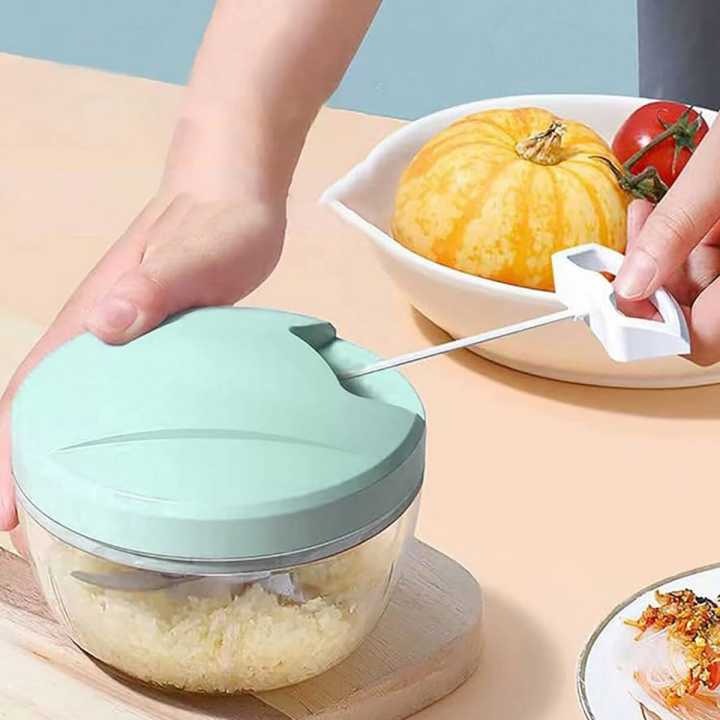
But why exactly do you need one? The reasons are plentiful and deeply rooted in modern living. Firstly, it’s a colossal time-saver. Imagine reducing your chopping time by up to 50%, freeing you up to focus on other aspects of cooking or simply reclaim precious minutes in your busy day. Beyond speed, these choppers offer unparalleled consistency in cut size, which is crucial for even cooking and aesthetically pleasing dishes. For those with limited hand strength, arthritis, or dexterity issues, an automatic chopper provides a safe and easy alternative to sharp knives, significantly reducing the risk of kitchen injuries. It simplifies complex recipes, encourages healthier eating by making fresh vegetable prep less daunting, and generally makes cooking more enjoyable.
Popular Types of Automatic Vegetable Choppers on the Market
The world of automatic vegetable choppers is diverse, offering a range of options to suit different needs and kitchen styles. Understanding the main types will help you narrow down your perfect match.
- Electric Mini Choppers/Food Processors: These are perhaps the most common type of automatic chopper. Compact and motor-driven, they typically feature an S-shaped blade that rotates at high speeds within a bowl. They excel at quickly chopping onions, garlic, herbs, and nuts, and many can also puree ingredients for sauces and dips. Their smaller footprint makes them ideal for kitchens with limited counter space.
- Mixer Grinders with Chopper Jars: Particularly popular in some international markets, these versatile appliances combine multiple functions into one unit. They come with various jars, one of which is specifically designed for chopping vegetables, making them a comprehensive solution for diverse kitchen tasks.
- Stand Mixer Attachments: Some high-end stand mixers offer attachments that can transform your mixer into a capable vegetable chopper or slicer. This is a great option if you already own a stand mixer and want to expand its functionality without buying a separate appliance.
While manual choppers still have their place, the “automatic” distinction emphasizes motor-driven convenience, making electric models the stars of effortless food preparation.
Key Features to Consider When Buying an Automatic Vegetable Chopper
Choosing the right automatic vegetable chopper can feel like a quest, but by focusing on key features, you’ll find the perfect culinary companion.
- Motor Power: This is often expressed in watts. Generally, a higher wattage (e.g., 200W-500W+) means more power, allowing the chopper to handle harder vegetables like carrots or potatoes more efficiently and prevent stalling.
- Blade Quality and Type: Look for sharp, durable stainless steel blades. This material resists rust and corrosion, ensuring longevity and consistent performance. Some models offer interchangeable blades for different cuts—dicing, slicing, or even spiralizing—adding to their versatility. Fixed, sturdy blades are excellent for tougher ingredients.
- Capacity: Chopper bowls range from small (e.g., 250ml) for quick tasks like mincing garlic, to larger capacities (e.g., 4-8 cups) ideal for meal prepping or cooking for a family. Consider how much food you typically process.
- Ease of Cleaning: This feature can make or break your chopper experience. Prioritize models with dishwasher-safe components like the bowl and blades. Detachable parts, smooth surfaces, and included cleaning brushes significantly simplify post-cooking cleanup. Remember, the motor unit should never be immersed in water.
- Safety Features: Modern choppers come equipped with important safety mechanisms. Look for overload protection to prevent motor damage, safety locks that ensure the appliance only operates when correctly assembled, and a non-slip base for stability during use. Blade covers and a food pusher are also excellent safety additions.
- Material: Opt for models made with BPA-free plastics in areas that come into contact with food. Glass bowls offer superior durability and are often preferred for their aesthetics and stain resistance.
- Versatility: Some advanced automatic vegetable choppers go beyond basic chopping, offering functions like pureeing, whisking, or even grinding. If you’re looking for a multi-functional device, these features can be a game-changer.
How to Use Your Automatic Vegetable Chopper Effectively
Getting the most out of your automatic vegetable chopper is all about smart usage. Here are some tips to ensure efficient and safe operation:
- Read the Manual: This might sound obvious, but every chopper has unique features and safety guidelines. Familiarize yourself with them before your first use.
- Prep Your Ingredients: While it’s automatic, it’s not a magic wand! Cut larger vegetables into smaller, manageable pieces that fit comfortably into the chute or bowl. This prevents the motor from straining and ensures more even chopping.
- Choose the Right Blade: If your chopper comes with multiple blades or attachments, select the one best suited for the type of cut you desire.
- Don’t Overload: Resist the temptation to fill the bowl to the brim. Overloading can lead to uneven results, longer processing times, and potential motor strain. Work in smaller batches if necessary.
- Use the Pulse Function: For precise control and to avoid over-processing (turning your vegetables into a puree when you wanted a chop), utilize the pulse setting. A few quick pulses are often all it takes for perfect results.
- Secure the Lid: Always ensure the lid is properly locked into place before you start the chopper. This is a crucial safety measure to prevent spills and accidents.
- Utilize the Pusher (If Applicable): If your model comes with a food pusher, use it to guide vegetables into the blades, keeping your hands safely away from moving parts.
Cleaning and Maintenance Tips for Your Automatic Vegetable Chopper
Proper cleaning and maintenance are essential for extending the lifespan of your automatic vegetable chopper and ensuring hygienic food preparation.
- Unplug First: Always, always unplug your chopper from the power source before attempting any cleaning.
- Disassemble Fully: Take apart all detachable components: bowl, blades, lid, and any other accessories.
- Handle Blades with Care: The blades are incredibly sharp. Use a cleaning brush (often included) or a sponge with a handle to safely clean them. If they are dishwasher-safe, place them securely on the top rack. Avoid direct contact with your fingers.
- Clean the Bowl and Lid: Wash the bowl and lid with warm, soapy water. Many are dishwasher-safe, which makes cleanup a breeze. Refer to your manual for specific instructions.
- Wipe the Motor Unit: The main motor unit should never be submerged in water. Instead, wipe it down with a damp cloth, then dry it thoroughly.
- Avoid Harsh Cleaners: Steer clear of abrasive scrubbers or harsh chemical detergents, as these can damage the chopper’s materials.
- Dry Completely Before Storing: Ensure all parts are completely dry before reassembling and storing to prevent rust and mildew. Store your chopper in a dry, safe place, out of reach of children.
Outstanding Benefits of Owning an Automatic Vegetable Chopper in Your Kitchen
Bringing an automatic vegetable chopper into your kitchen is more than just buying another gadget; it’s an investment in a smarter, more enjoyable cooking experience. The benefits truly set it apart:
- Massive Time Savings: This is often the primary draw. What once took minutes or even longer with a knife can be done in seconds, allowing you to whip up meals faster and spend less time on prep work.
- Consistent, Professional Results: Say goodbye to unevenly cut vegetables that cook at different rates. An automatic chopper delivers uniform pieces every time, ensuring even cooking and a beautiful presentation that will impress your family and guests.
- Enhanced Safety: For many, the greatest benefit is reduced risk of injury. By minimizing direct contact with sharp knives, especially during repetitive tasks, these machines offer a much safer alternative.
- Convenience and Ease of Use: It simplifies food preparation, especially for those with busy schedules or physical limitations. Just load, press a button, and watch the magic happen.
- Versatility Beyond Chopping: Many models can do more than just chop. They can mince garlic, puree ingredients for baby food or sauces, make smooth dips, and even whisk, making them multi-functional powerhouses.
- Promotes Healthier Eating: When preparing fresh vegetables becomes quick and effortless, you’re far more likely to incorporate them into your daily diet, contributing to a healthier lifestyle.
- Cost-Efficient in the Long Run: While there’s an initial investment, an automatic chopper can save you money by allowing you to prepare fresh ingredients at home rather than buying more expensive pre-cut produce.
“As a seasoned chef, I’ve seen kitchens transform. An automatic vegetable chopper isn’t just a convenience; it’s a culinary game-changer, giving home cooks the precision and speed of a professional kitchen without the fuss.” – Chef Julian Hayes.
Common Mistakes to Avoid When Using an Automatic Vegetable Chopper
Even with the best intentions, a few common slip-ups can hinder your automatic vegetable chopper experience. Knowing what to avoid can save you frustration and ensure your appliance lasts.
- Overloading the Bowl: This is probably the most frequent mistake. Stuffing the bowl beyond its recommended capacity strains the motor and leads to unevenly chopped vegetables, with some pieces still large and others pureed.
- Not Pre-cutting Large Items: While it’s automatic, don’t just toss in a whole onion or bell pepper. Cutting larger items into chunks that fit easily and are roughly similar in size will yield better results and protect your blades.
- Using the Wrong Blade or Attachment: If your model has multiple blade options, ensure you’re using the correct one for the desired outcome (e.g., a dicing grid for cubes, an S-blade for mincing).
- Improper Assembly: A loose lid or incorrectly installed blade can lead to spills, inefficient operation, or even safety hazards. Always double-check that everything is securely in place before starting.
- Over-processing Ingredients: It’s easy to get carried away! A few too many pulses can turn perfectly chopped onions into a watery paste. Use the pulse function sparingly and check the consistency often.
- Neglecting Immediate Cleaning: Allowing food residue to dry on blades and in crevices makes cleaning much harder and can affect hygiene. Clean detachable parts immediately after use.
- Ignoring Safety Features: Never bypass safety locks or try to force the machine to operate if it’s not correctly assembled. Always use the provided pusher to guide food, keeping hands away from the blades.
Quick Recipes and Creative Meal Ideas with an Automatic Vegetable Chopper
With an automatic vegetable chopper at your disposal, a world of quick and delicious meals opens up. Here are some ideas to get you started:
- Speedy Salsa: Dice tomatoes, onions, cilantro, and jalapeños in a flash for fresh, homemade salsa in minutes.
- Effortless Stir-Fry Prep: Quickly chop carrots, bell peppers, broccoli florets, and snap peas into uniform pieces for a vibrant and evenly cooked stir-fry.
- Hearty Soups and Stews: Prepare your mirepoix (onions, celery, carrots) in record time, forming the flavor base for countless comforting dishes.
- Gourmet Salads: Create perfectly uniform cucumber slices, cherry tomato halves, or finely shredded cabbage for elevated salads that look as good as they taste.
- Smooth Purees and Dips: From homemade baby food to silky smooth hummus or chunky guacamole, your chopper makes pureeing and blending a breeze.
- Quick Coleslaw: Shred cabbage and carrots in moments for a fresh, crisp side dish.
- Flavorful Dressings and Sauces: Finely mince herbs, garlic, and shallots for vinaigrettes, marinades, and pasta sauces.
Conclusion
Embracing an automatic vegetable chopper in your kitchen is about more than just convenience; it’s about reclaiming your time, enjoying the cooking process, and elevating the quality of your meals. From minimizing tedious prep work to ensuring consistently perfect cuts and enhancing kitchen safety, the benefits are clear. So, if you’re ready to ditch the endless chopping and embrace a smarter way to cook, it’s time to welcome this versatile appliance into your culinary arsenal. Experience the difference an automatic vegetable chopper can make – your hands, your time, and your taste buds will thank you!